"Wonder is not puzzlement, bewilderment or confusion. But it is also not
satisfaction, completion or understanding. It is more open-ended, even
a little unsettling. There is an element of calm, poised detachment in
wonder but also a restless amazement. In the wake of wonder, we are
literally moved. We cannot remain still. We are spurred to explore."
— Edward Rothstein, "Wonders of of Science at the Golden Gate," New York Times, November 3, 2009.
 The Herons began learning how to take the first steps on the journey of research this
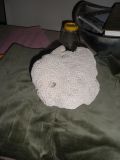
 week. I looked into Prairie Creek's Cabinet of Curiosities (donated by an alumni family) and found a beautiful piece of coral. We sketched it as a class and then came up with some wonder-full questions.
I then helped the student categorize the questions. "Dot" questions can be answered in a single sentence and include yes/no questions or basic factual questions such as "What is its name?" "Dash" questions might require a paragraph to answer. An example might be, "How does coral grow?" "Star" questions require looking in several sources to find an adequate answer. For coral, an example might be, "What is being done to protect coral reefs?"
These categories (which come out of the work of Stefanie Harvey), help students focus their curiosity so that they can pursue specific information.
 After I modeled categorizing questions about our object of wonder, I asked the Herons what questions they still had about Shakespeare and Elizabethan England. While I was hoping for a good number, I was overwhelmed by their response. We always celebrate when we have more questions at the end of a theme (or in the middle, in this case) than we had at the beginning — but after 20 minutes of recording, I suggested we move on and was met with groans from almost 20 students urgently raising their hands.
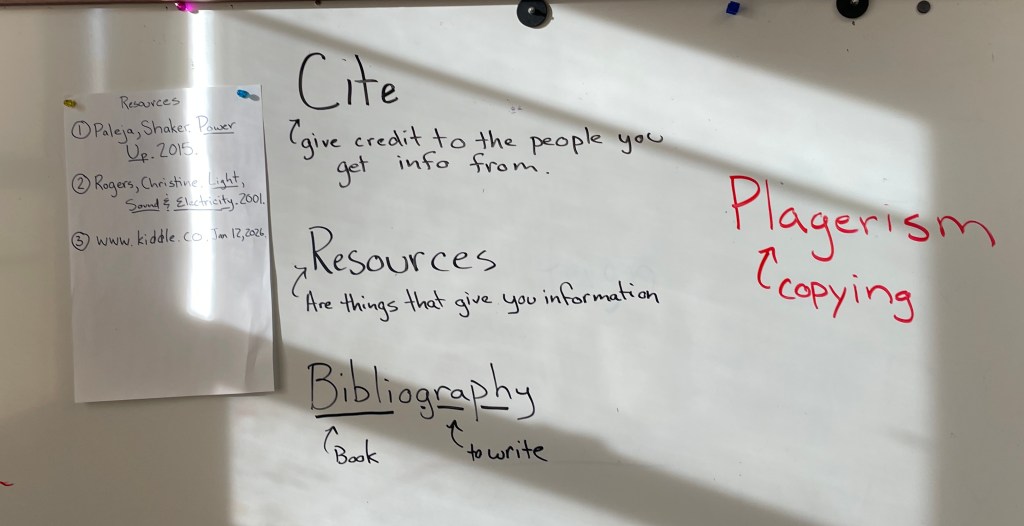
We spent a moment categorizing the questions and I did a brief introduction to citing sources and note taking. We'll be working a lot more on these but it was a good starting place.
Our initial efforts to find answers to our questions were sometimes frustrating. The students' questions were more sophisticated than the books we have (there are fewer good books for kids on Tudor England than there are about medieval times). Students have difficulty finding reliable sites on the web and the websites that do have detailed information are almost completely text based and have more difficult language.
If you have time this weekend, you might check out some of the websites I've found to aid our research and read some with your Heron to help him or her explore the subject they were interested in. (You can also find the link to the resources if you scroll down the bar to the right and find "4/5 Links".)
When we find the answers to our questions, we will weave them into our final event, possibly by planning conversations to have with guests while we are in character, "Did you hear about the great fire?!"
We always stress that research is a journey that has some dead ends and some unexpected detours. One rarely ends up at the place one thought one was going to.

 The Rookery
Leave a comment