A recent blog by Cathy reminded me that this is a great time to expand the work we do with the 4/5s for social curriculum. A few years ago, we had a thought provoking presentation by local counselor Nancy Gregerson on how to support children socially. As Cathy said, this is the time of year that we start to imagine our fifth graders in their next educational setting and we begin to feel an imperative to send them off with as many tools as we can.
Over the next weeks, we'll be talking about some of the skills one needs to be happy as well as the skills one needs to connect with others (and those behaviors which might inadvertantly disconnect us). We sometimes talk a lot about the social skills kids learn in the early years at Prairie Creek. These nuanced ideas take those skills to the next level.
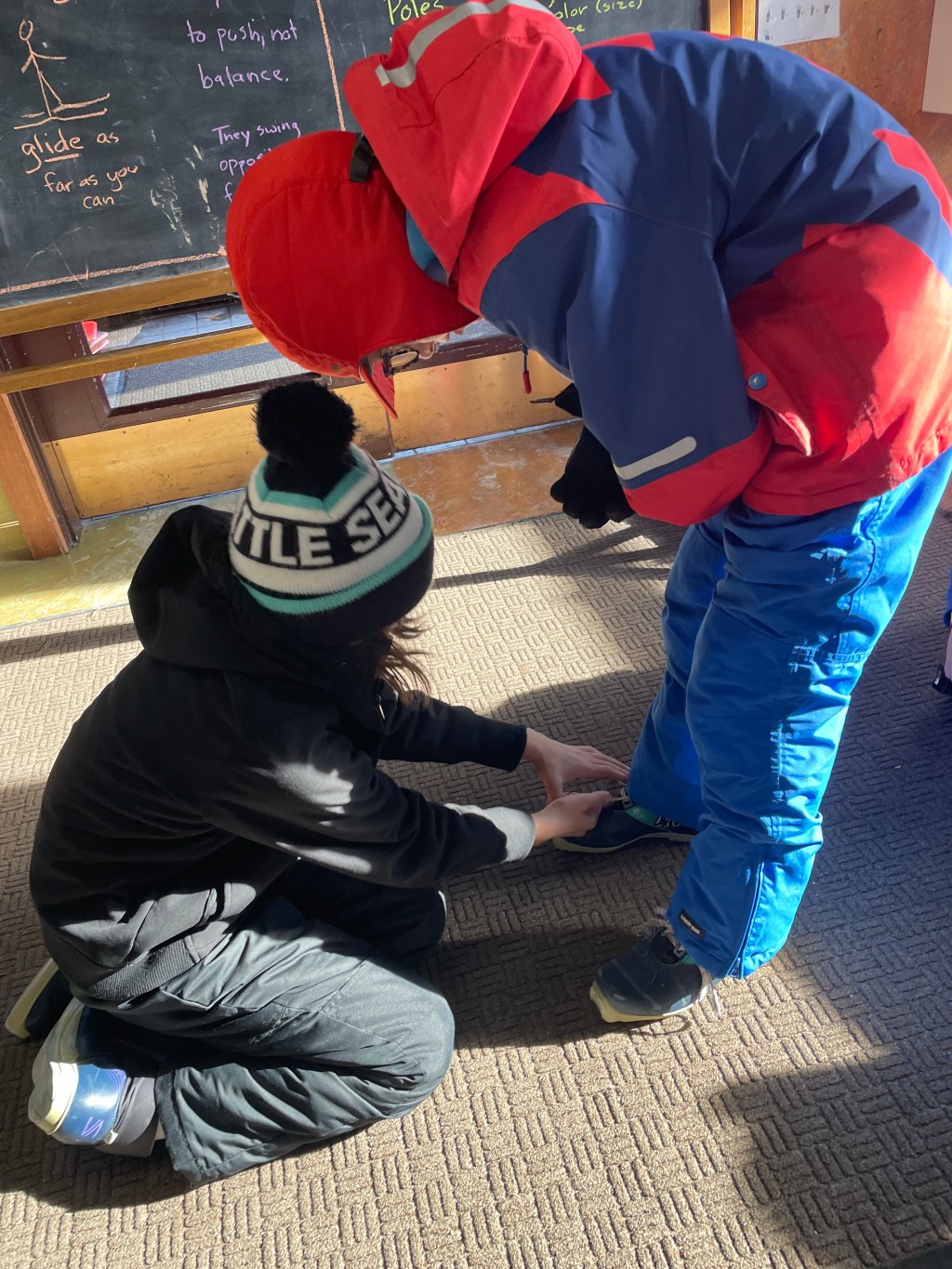
The yellow highlighted skills are the ones we've begun to discuss as a class. I've asked all of the Herons to make an effort to be the first to say hello or smile and to always reciprocate a greeting or question with a follow up. Noticing when your child does this at home will help make the behavior a habit.
Skills you need to be happy:
- know how to handle things you do not like
- know how to say difficult things skillfully and respectfully
- know how not to take things personally
- know how to problem solve without emotion
Connecting Behaviors:
- Acknowledging someone’s presence
- Extending yourself/knowing how to to/fro in relationships
- Awareness of others (other people matter)
- Open to try new things
- Knowing how to correct your mistakes (This one is hard, but critical, for kids. Role playing can help.)
- Tolerating negative and positive feedback
- Going from A to B with ease
- Speaking directly/saying what you want
- Doing what you say/keeping agreements
- Ability to do what you don’t like (biggest one that kids need help with—this is a skill that will open up the world to them)
Disconnecting Behaviors:
- Avoidance (later means never)
- Defensiveness
- Sarcasm
- Not being direct
- Name calling
- Pretending you don’t care
- ‘Going emotional’ instead of problem solving
- Fantasy thinking (instead of learning problem solving skills, making up one’s own reality)
- Not taking ownership of your problems
- People pleasing
- Never saying what you want


 The Rookery
Leave a comment