We are right in the heart of project season and the excitement is mounting. As I've been reviewing my sons' project work (they're in kindergarten and second grade) I've been observing first hand the arc of projects during a child's time at Prairie Creek. The teachers have done a lot of work in the past years to develop a logical sequence of skills and experiences. Back when the school became a charter, personal projects were an occassional thing and the honors project could seem to come out of the blue. There were very few guidelines beyond "help the child do research and create a presentation" the first year I was a mentor. Times have changed.
- K/1 – Children become familiar with the idea of "digging deeper" into a topic that interests them. The know and wonder chart is introduced and children work to answer 3-5 simple questions that they develop. The work is shared between home and school because of the intense needs of young children writing and reading texts. A simple 3-D model or simple poster can accompany work. Children "present" informally by standing near their projects.
- 2/3 – Children begin more formal note taking and continue to hone their quesitoning skills. The projects expand to include more detailed writing and more elaborate posters/projects. Work is still shared between home and school with the parent helping to find resources and sometimes support projects. Students stand near their wokr and answer questions from visitors.
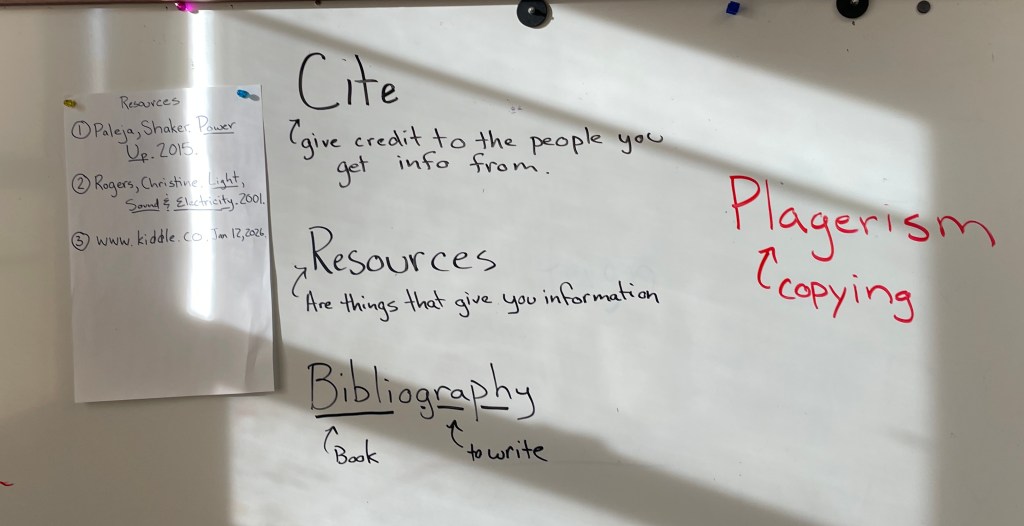
- 4th Grade – Children mirror the honors project process and are assigned a fifth grade mentor. They develop more complex questions and categorize those questions to develop a more comprehensive understanding of their topics (moving beyond answering discrete questions). They learn a system to take and organize notes. Students write, revise and edit independently. They keep track of the resources they use and learn the importance of citing resources. They share their information in paragraph form, a poster (including a piece of visual information that they have created), and an oral presentation that includes a hands-on activity for the audience. The work is done at school so that children can get a sense of time management and the elements of the process that are the most challenging for them to complete independently.
- 5th Grade – Students work for 4+ months with a non-family member mentor (which gives them experience working with new adults). Students are expected to develop and answer complex questions, take extensive notes, organize for writing, write, revise and edit, cite resources (in a rudementary way), create a large visual which teaches the audience key information, and develop a 10-20 minute oral presentation that engages the audience. The work is done primarily at home with the primary support of a mentor and the parents' help with time management.
It can be a little disconcerting for parents to trust that the fourth grade project is coming along. I feel very lucky to have Greta, Molly and the fifth grade mentors to support the fourth graders. Just today I watched a fifth grade robin reassuring his mentor who was nervous about some deadlines. The fourth graders are looking forward to surprising you with their work on April 9, 10, or 11th. We're working right now on the presentation schedule (which connects to the honors project schedule).

 The Rookery
Leave a comment