In the Herons, we begin the year by developing a series of statements about who we are as a group. Children begin in pairs sharing what they believe we should do as a community. We then begin to combine and hone statements, trying to create a list that includes everything we think is important for the class and a list that everyone in the class can agree to. No easy task.
Often, what seems like a deceptively simple statement can lead to a rich discussion about exactly what our words mean. We find ourselves opening up clichés and really considering what we mean when we say, "Treat others as you would like to be treated." That's just what happened today.
We began when a child suggested the statement, "We should not criticize other students' work." Another child raised her hand, "What if I ask someone to read something to see if it makes sense?" "That's good criticism." "Would that be O.K.?" "I guess. But you shouldn't laugh at someone if they try and get a math problem wrong." "Some people take criticism personally. You have to really know someone and know what they're working on." "You should only give someone criticism if you're trying to help them." "Your tone of voice is important, too." "You should only give criticism if it's the kind of criticism you would want." "Yeah, like treat others how you want to be treated." "But what if I'm O.K. with someone telling me that something isn't right and someone else doesn't like that. Then if I'm treating them like I like, I could make them mad." "So maybe we shouldn't treat others like we want to be treated but how they want to be treated."
The conversation went on. These are approximate quotations and there are some omissions but I've tried to stay true to what the kids were saying. The final statements are really secondary to the conversations we're having now. It's through these conversations that we establish our community norms. Students get to hear others explain what their expectations are for the group. For some, it's eye opening. For me, it's a powerful way to give the students the power to create a positive culture. Instead of me nagging children to "be nice," the Herons are telling each other they believe "criticism should be offered only in kindness and to help someone grow" (their final wording.) The process is so powerful that, while I post our beliefs, I rarely have to refer to them. The class internalizes them through the discussion.
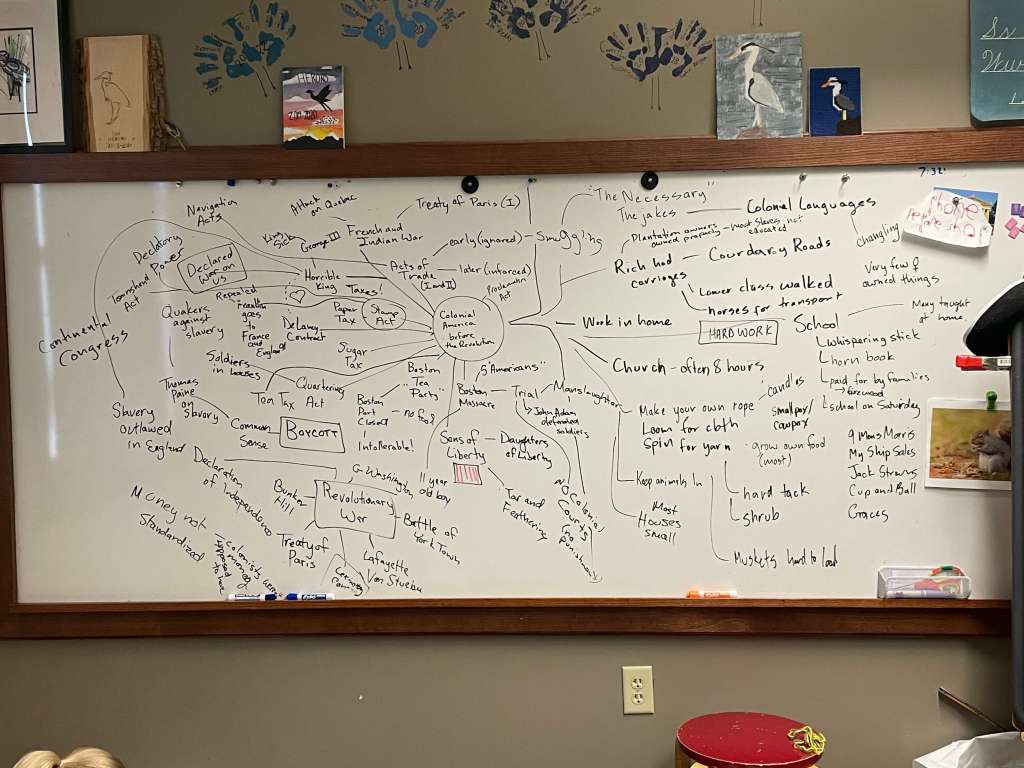
At the end of our conversation, one child asked, "What if I go to another classroom and I offer a kind criticism but they don't believe in criticism at all, like they have another belief? Do I get in trouble?" It opened up a great, if brief, conversation about what happens when two individuals have different beliefs or two cultures have different beliefs. The students realized quickly that, while we probably wouldn't go to war with the Robins because of their stance on criticism (which, as far as I know, is similar to our own) but that groups of people who can't find ways to respect each others' beliefs often do come into conflict.
And all this in thirty minutes.


 The Rookery
Leave a comment