
Taking responsible risks is a central theme during our time at Wolf Ridge. For some students, taking risks begins with stepping on the bus and away from family for an extended time. Others face a risk on the ropes course. Still others muster courage at the bottom of the "Stairs of Doom."
To learn we must move beyond that which we know we can do. We must be uncomfortable. We must tolerate discomfort long enough to work through it and reap the rewards of persisting.
At school, we talk about the discomfort of learning a lot. The Herons know that learning something new involves a lot of awkward practice – and that the feelings that accompany awkwardness are sometimes negative. Wolf Ridge allows them to explore risk taking in a more intense way. The stakes are greater…and so are the immediate rewards.
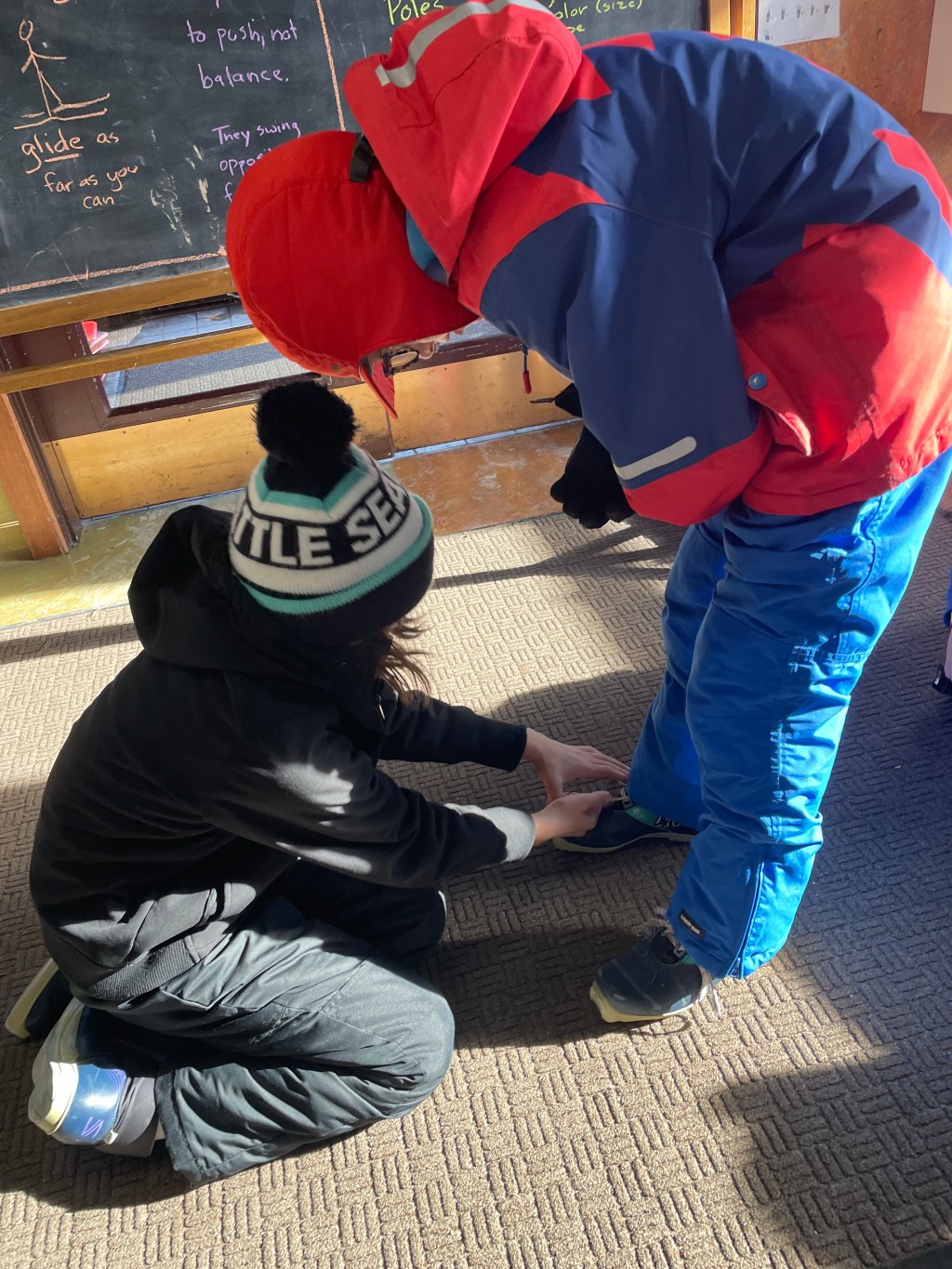
A big part of my job at Wolf Ridge is cheering kids on – whether they're tottering across the single wire on the ropes course or facing a tray of food that wouldn't be their first pick. I am there to remind them of the tools they already have to manage these new situations. They cheer each other on, too. Throughout the week, each of them lends a hand and needs a hand. It's an interconnectedness that many will bring forward into their middle school years.
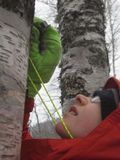
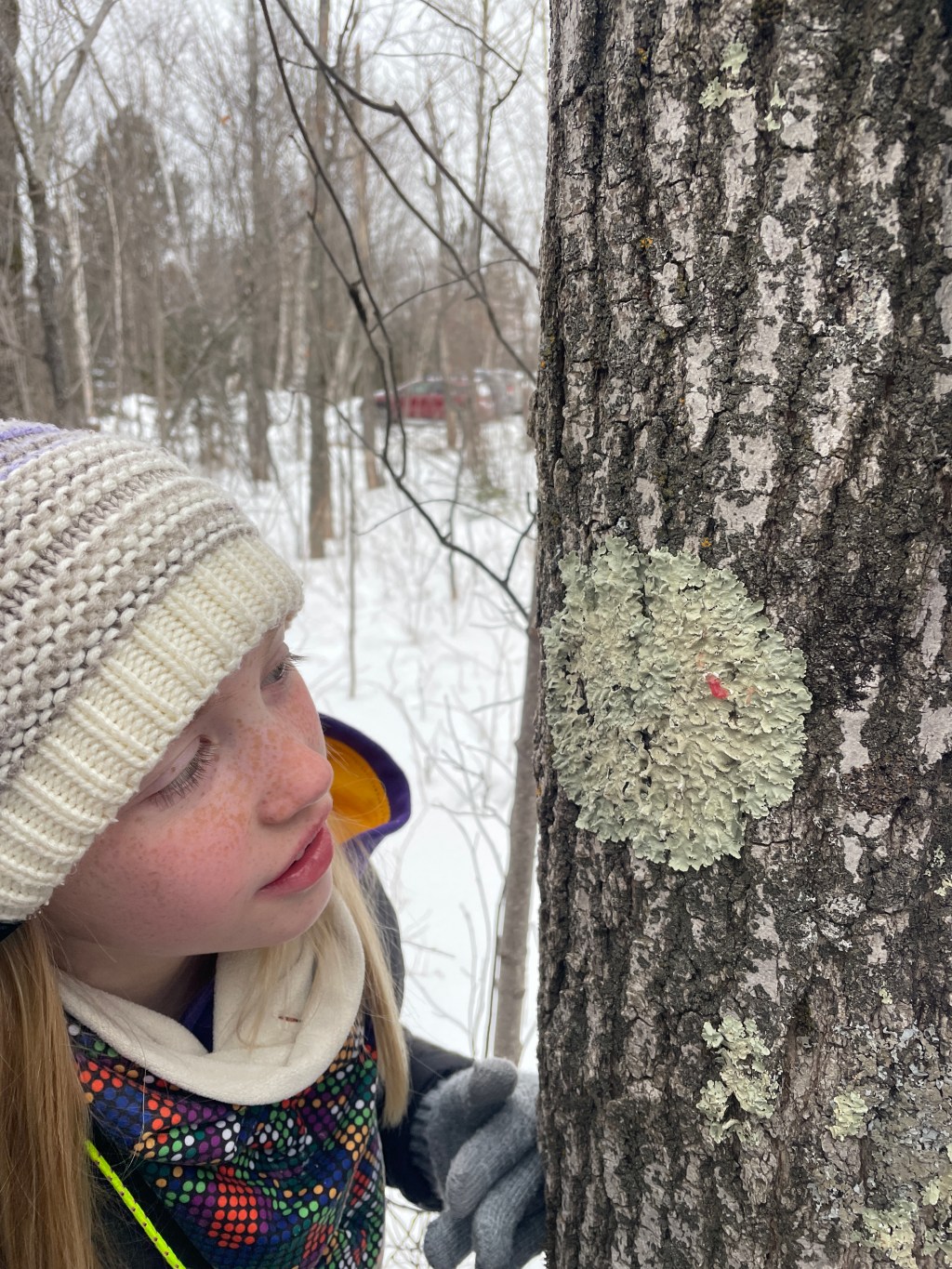
Our last day at Wolf Ridge was one that I'd been waiting years for. On one of my first trips to Wolf Ridge, I'd bought a book in the book store called Lichens of the North Woods. It was by one of the Wolf Ridge staff members and it was a remarkable book. I took it with me on all subsequent trips and the kids loved it – often squealing when they found large shield lichen that the book helped them age, "Michelle! This one may be even older than you!!"
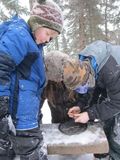
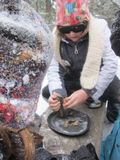
For years, I'd written a hopeful note at the end of our evaluation that I'd love to see a lichen class. This year it happened. M.J. and Jenna, two very talented and very enthusiastic student naturalists constructed a class that taught the kids all about lichen and the very odd branch they inhabit on the tree of life.
Lichen are symbiotic organisms in which fungi provide a structure for and receive nutrients from algae (and/or cyanobacteria). It sounds complex but the M.J. and Jenna were able to bring it alive for the Herons. They also taught them the three forms of lichen. It will be a long time before I forget the excited yells of Herons calling to each other, "I found a fruiticose!!" "Oooh! Here's a crustose!"
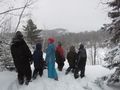
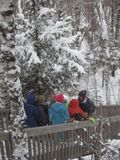
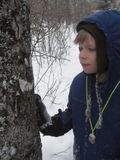
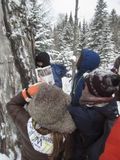
But what I will most remember about the class (and the reason I am lobbying hard for it to become a permanent offering) was the awe students felt as they looked more closely. Here we'd spent the whole week surrounded by natural beauty and we'd appreciated it plenty. Then, on the last day, we started to look more closely at all of those trees we'd thought were pretty and we realized they were covered with a huge variety of beautiful, fascinating organisms. Every tree had lichen — sometimes as many as 11 species that even our neophyte eyes could identify.
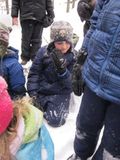
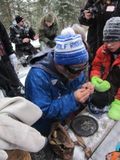
Then we took out our hand lenses and found a new world of textures and colors and interactions. A square inch held minutes of intrigue and discovery. Then you glanced up and realized how many square inches awaited you, if you only look more closely. The layers of life around us were almost overwhelming.
One of Wolf Ridge's main goals is to promote stewardship and a sense of connectedness to the natural world. I was surprised by the power of this lichen class to do just that. I knew it would be interesting and fun — but I didn't realize that just looking a little more closely could bring students (and myself) to a profoundly different understanding of their world.




























 The Rookery
Leave a comment