 "Swink" is a word for work that was used in the 1700s and we've been doing a lot of it lately. In the early colonial period, much of the work was shared among all of the people in a village – bread baking, lumber cutting, plowing – all were shared efforts. That cooperative spirit has infused our last few days of work. Simon came to re-enact the Boston Massacre trial with us and Carolyn, Karl, Stacey, and Amanda came guide us in some hands on colonial work on Thursday.
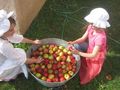
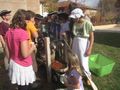
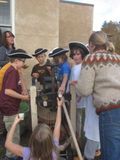
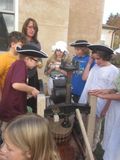
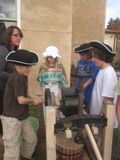
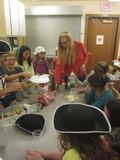
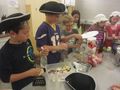
Carolyn and Karl brought in their cider press for the students to use. They made cider from windfall apples and realized how nothing would have gone to waste in a time when resources were so hard to procure. The apples weren't as pretty as the ones that are in the grocery store but they make really good cider. The scraps from the cider press would be used for animal feed and, because cider would ferment over time, colonists could preserve the harvest for a little longer.
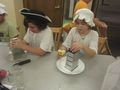
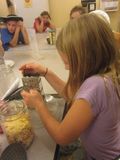
Amanda showed us how to make a shrub – a healthful drink popular in the colonial period. Students grated apples and covered them with a little sugar and a lot of vinegar. It cold-ferments in the refrigerator (or the root cellar) for a week and then the juice is pressed out and reserved. A little bit of juice is added to water and drunk. We've "put up" our shrub mix for a week but Amanda brought some of hers to share with us. It's tart, fruity and delicious. (Full disclosure, ours was made with sparkling water, ice, and specialty vinegar — all things one would not find in the colonial kitchen). Here's a post Amanda wrote about how to make a shrub.
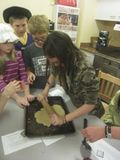
One group made some hard tack for the rest of us to enjoy. It's a dry, dry biscuit that would last months without molding. Mmmm. Here's the Hard Tack Recipe.
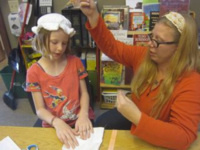
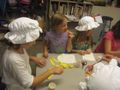
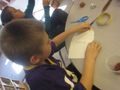
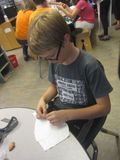
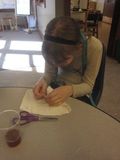
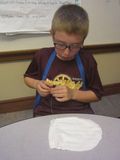
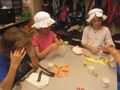
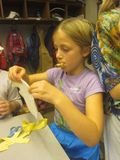
Finally we all gathered up in the Herons to make pockets. In colonial America, pockets were separate from clothing. One would put on one's "pocket" on in the process of getting dressed and wear the same pocket every day (which would really cut down on the number of rocks, acorn caps and Lego pieces we find in the laundry in my house.) I love this kind of handwork for students. They take great pride in the creation of things and they feel a growing competence. They know how to make something real. (If you haven't already, consider inviting your child to cook along side you — it's something we do a lot with our pre-schoolers but you'll find a ready and capable prep cook in your 4/5.)
The next several Tuesday and Thursday afternoons will have similar activities. I invite you to join us from 12:15-2:20.
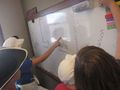
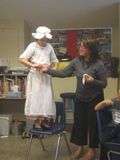
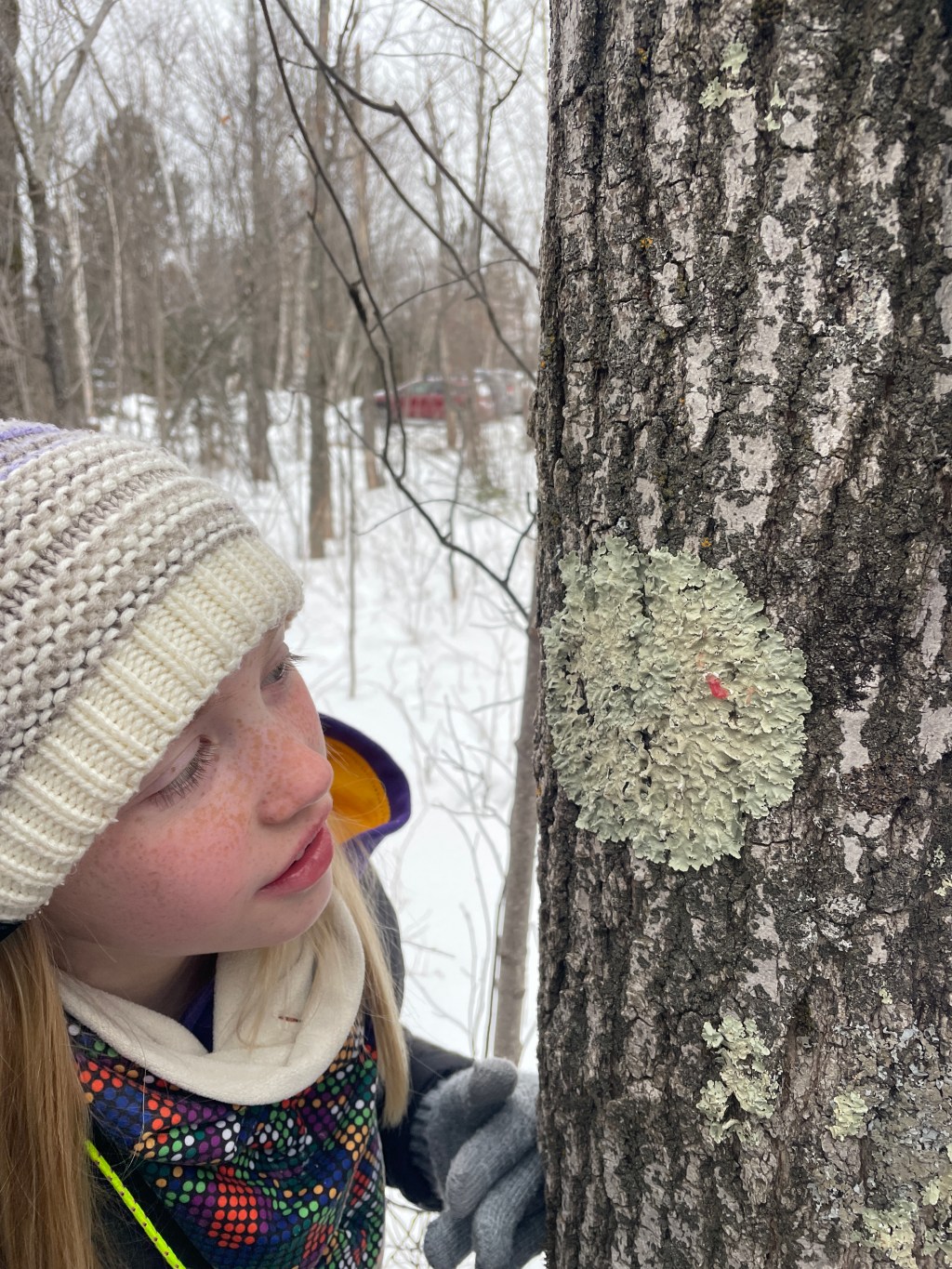
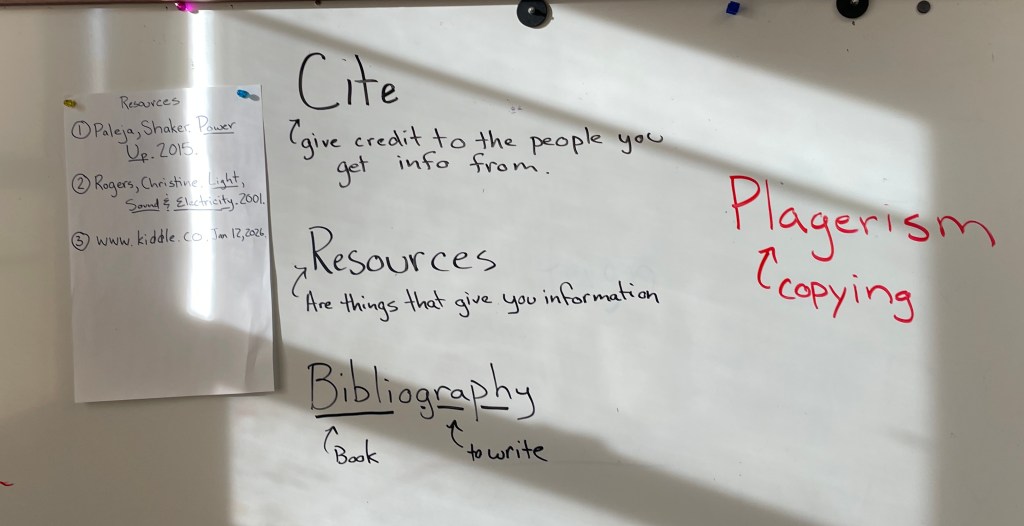
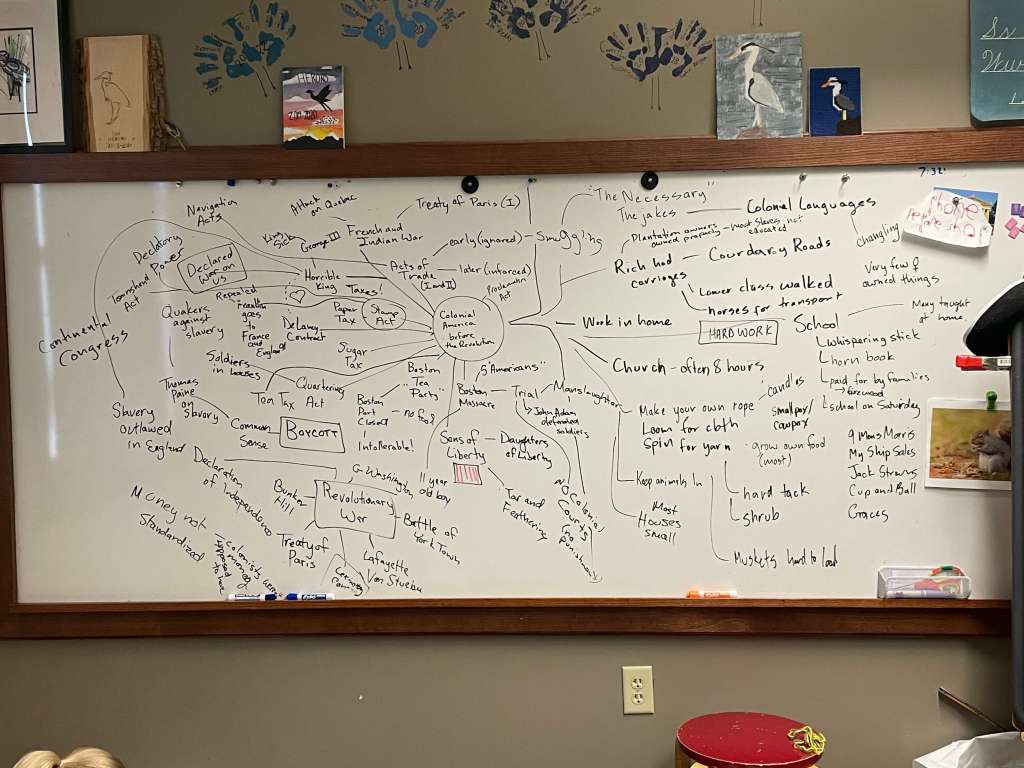
Here are a lot of pictures from our recent adventures. The children working on the board are tabulating the verdicts for our mock trial. Enjoy.














 The Rookery
Leave a comment