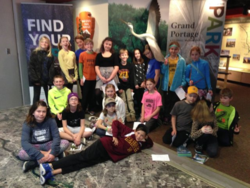
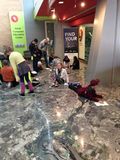
 Our trip to the science center was great. For the first part of our trip we focussed on rivers and then had time for exploration of other parts of the museum. The Herons were far from done with their field trip when it was time for us to board the bus. One fourth grader asked if we could sleep over the next time we went. We talked before we went about the importance of slowing down and thinking about the exhibits instead of just pressing buttons wildly and moving on to the "next thing." The herons took that message to heart and responded to much of what they saw with wonder, awe and understanding. For me, a highlight was watching them scour a giant photo of the Mississippi River to find a variety of river formations.
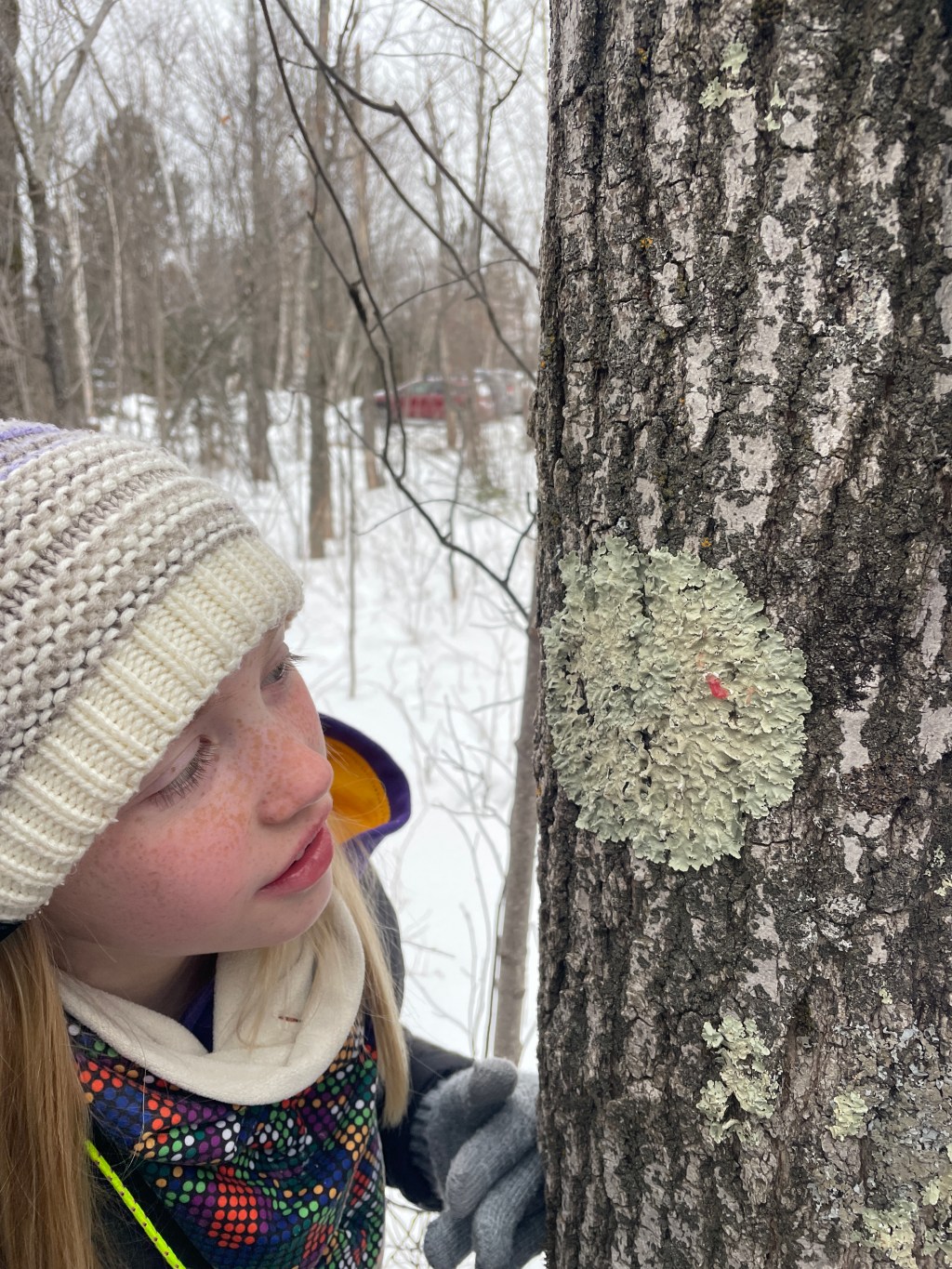
Shane, one of our naturalists at Wolf Ridge, spoke to the Herons about the wonder he felt when he realized how full the world was of things to be interested in. We had just spent three hours peering at the micro world of lichens and then, as we made our way across a lake, turned to look at a cliff side full of the tiny worlds we had just marveled at. While the Science Museum was, perhaps, less majestic and symbolic in scope, it was another illustration of how much more we can learn if we look a little more closely. The Herons did a wonderful job of this.
Many thanks to Stephen, Mija and Alex who chaperoned and who helped the Herons find new things to wonder at.


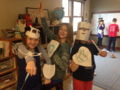
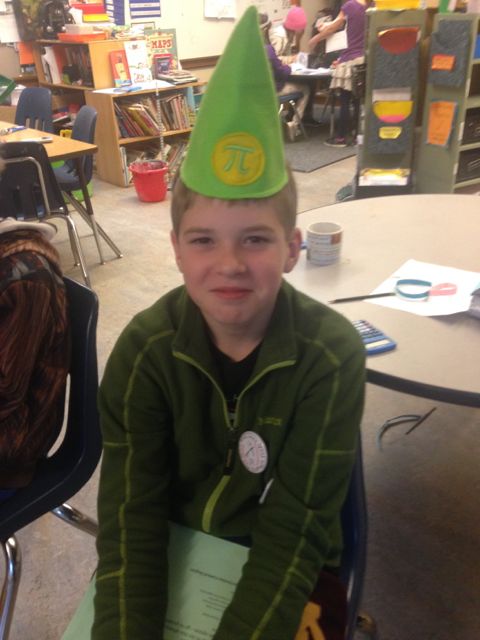
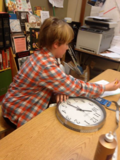
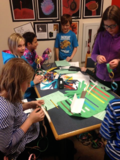
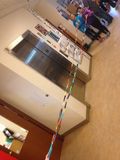
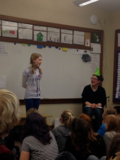
Pi Day 2016 was a huge success. Students discovered pi, learned the history of pi, made pi chains, wore pi armour (which was an elaborate joke related in some way to, "Surender or pi!", listened to pi rap and, of course, memorized more digits of pi than will ever be needed, even if they find themselves stuck on Mars and have to program a rocket to launch them back to Earth. In a heartbreaker, two Herons placed in the top three pi reciters but we didn't have the 133 digits it would have taken to best a Kestrel contestant. This makes the fourth Kestrel victory in a row. Fourth graders, we're due.
Why pi? There are those who will argue that other ratios are more interesting. However, if you take a string and place it across a circle, triple it and then wrap it almost all the way around the circle — you will delight your 4th or 5th grader. It's pretty cool that, no matter the circle, it's always three diameters (and a about 14/100ths more) to get around that circle. And then there's the fact that the exact ratio goes on forever and never follows a pattern. Never? Never. (Although that certitude has not stopped the occasional Heron from trying to find a pattern.) Finally, there's the sheer fun and joy of it. I liken it to studying Shakespeare – does any single person truly under




 The Rookery
Leave a comment