January is off to a great and very busy start. We are reflecting on the year so far, launching the opera, learning cursive, coding, starting our personal projects, and braving the cold. January's schedule lends itself to shorter work blocks than the more expansive theme blocks of fall and early winter. The Herons have been enjoying the variety and pace of our days – the year definitely has its rhythms.
 Opera
Opera
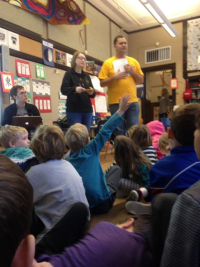
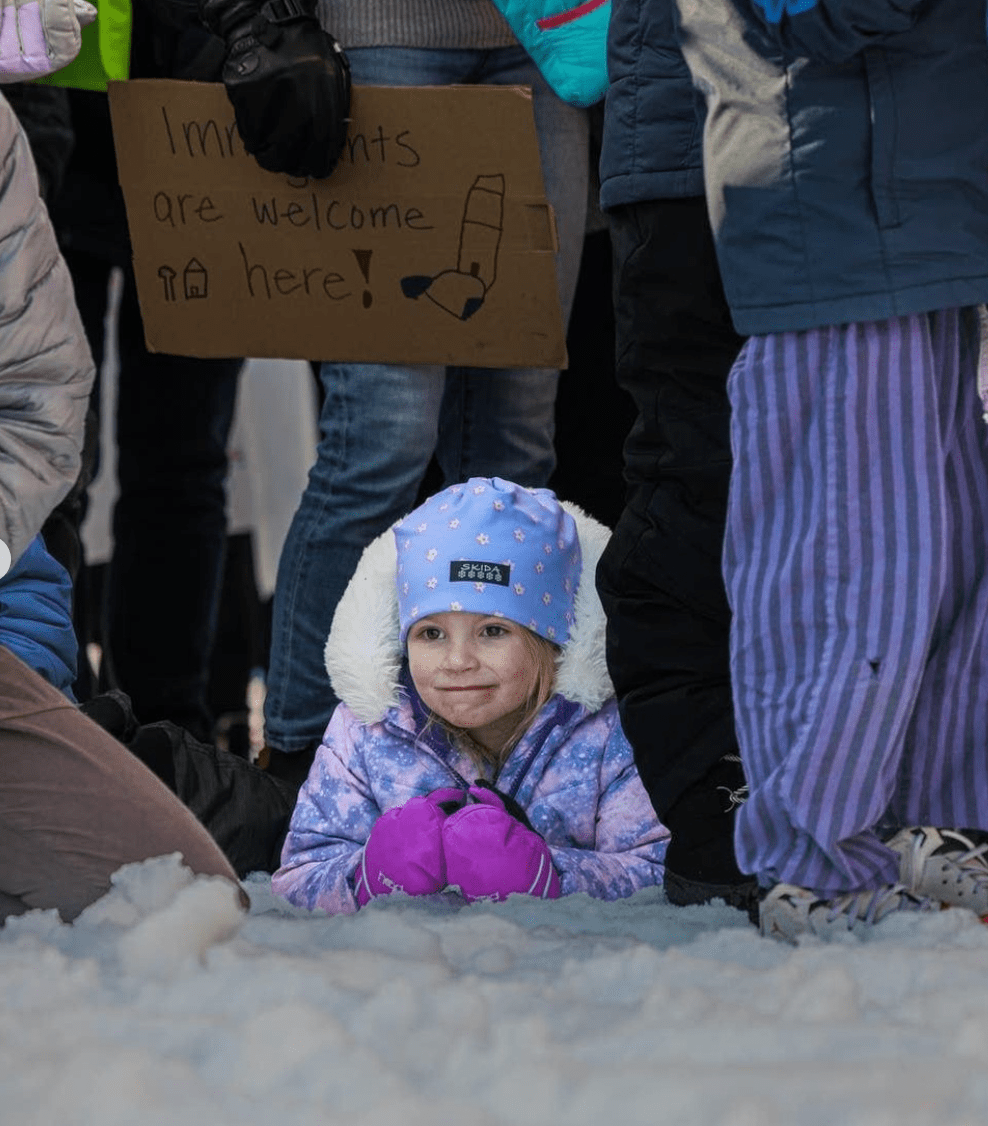
The Herons and their bird buddies, the Egrets and Doves, have been working on the first act of our opera with a crew of students from St. Olaf. The focus of the whole opera is immigration and in our act we travel back to the 1850s to visit a family that has immigrated from China to work on the railroads. Students have been writing words, rhythms, and melodies to capture the feelings of the immigrants. They are also working on choreography for the finale of our act. We're excited to start seeing the pieces come together.


 Cursive
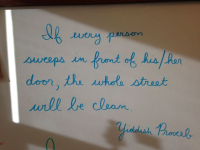
I am teaching cursive letter and word formation in some of nooks and crannies of our schedule. I will teach each of the letters and how they connect to other letters. Students have so far learned the "i" stroke (used in the i, u, t, and w) and the "e" stroke (used in the e and l) by combining the two strokes, one can also make the "b". We'll learn the "c" next which will enable us to make eleven of the twenty-six letters. We're also working on reading cursive and every child will be expected to be able to write his or her name in cursive fluently. Fifth graders who mastered the letters last year and working on connecting letters fluently and moving from "drawing" cursive to writing it. With practice, it becomes faster (and, in many cases neater) than manuscript.
Coding
I've taught coding for many years and I'm always amazed by the spirit of exploration students bring to their work. This year, I've allowed students to choose the language they want to work in — logo, javascript or Scratch (see the links to the right for the sites we're using). The one requirement right now is that they push themselves to learn something new. There is something magical about seeing your words and numbers turn into an image, game or animation. We talk a lot about the role of failure in coding – code never works the first time you run it (at least mine doesn't) so you have to analyze what happened and make changes. Because failure is expected, students learn to tolerate it – it's a resilience that we talk about a lot and which I hope to help them bring into their other work.
 Personal Projects
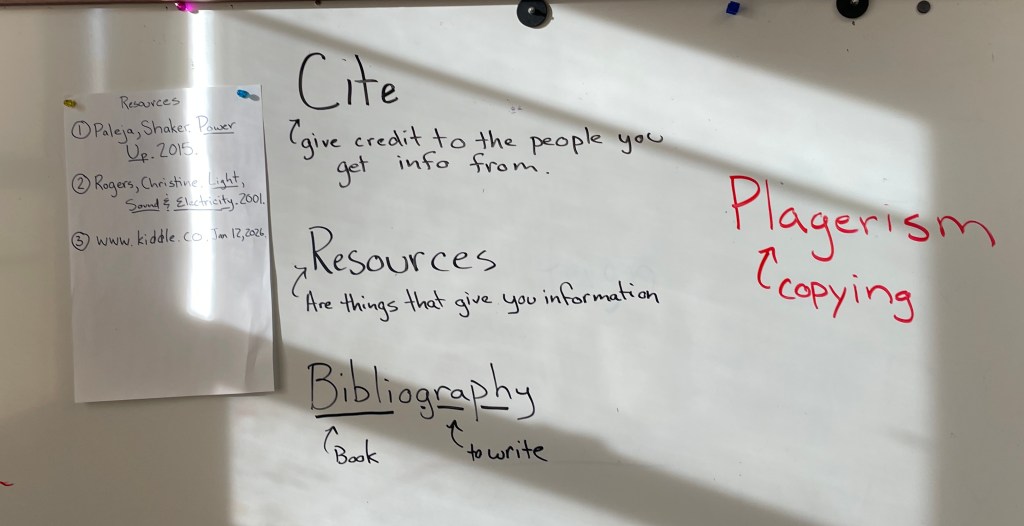
Everyone has a topic and has created a know and wonder chart. Many of the students have grouped their questions into research categories and have even begun to take notes. We have also talked about the importance of keeping track of your sources and giving credit to the books and websites that teach you.
Learning how to extract useful information from the text you are reading is one of the most difficult skills students tackle during projects. In a recent lesson, we came up with the analogy of trying to identify birds in a thick bush. At first it can seem like nothing is there – but if you look long enough, you can start to see the individual birds. During the mini-lesson on note taking, some of the fifth graders said I made it look a lot easier to take notes than it was. I pointed out that I've had a lot of practice taking notes so it's kind of like I have binoculars and can look at that bush and say, "There's a yellow-rumped warbler" when all you see at first is a leaf moving.
Ramble
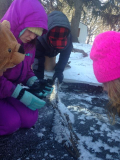
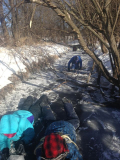
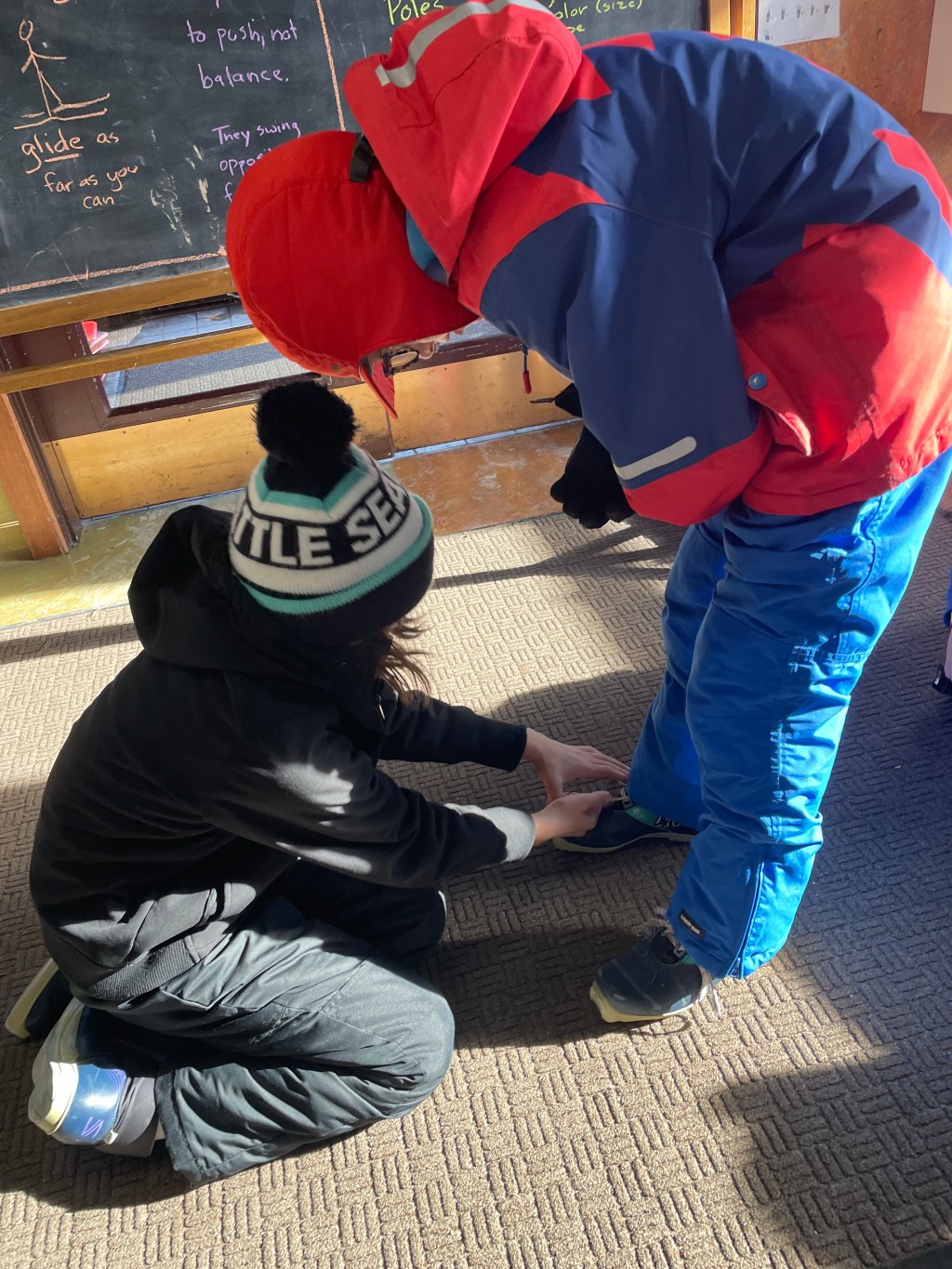
We had a lovely walk up the creek last week. It was very cold but the Herons all were prepared with the right gear and we stayed active. We were most amazed by the hoar frost on the creek. Some of the feathery crystals were three inches in length and there were thousands of them, seemingly sprouting from any bump on the ice. Believe it or not, there was still some water running under the ice so it was an ideal opportunity to talk about ice safety and the physics of freezing (or at least the basics!). We kept our weight spread out on all fours and only went on the creek where the water, if we fell in, would be 3-4" deep.) It would be cold but it was a reasonable risk since we were about one hundred feet from the school. No one got wet in the end. As a side note, today our creek was up a full foot from where it had been last week. We'll take another look at it tomorrow. I'm wondering if the irrigation tiles have made a difference in our water flow compared to years past when we would have a dry creek (or solidly frozen creek) most of the winter.



 The Rookery
Leave a comment