Wolf Ridge and Fourth Grade Week are central in our calendar – often it feels like we are doing a lot "before Wolf Ridge" and a lot "after Wolf Ridge." Fourth grade week and Wolf Ridge stand alone – busy, to be sure, but a different kind of busy. It's lovely to have a single focus for a while.
The lead up to this week has been very busy.
Cities
 We began a new theme – Engineering Cities. Students brainstormed a giant list
  of what made a city a city. We then "reverse engineered" the list, uncovering the human needs and wants that our list revealed.
Top among those lists was "water." Early cities developed along waterways so that there would be a source of water for irrigation and for drinking. Of course, as cities grew, there was a need to transport water greater distances (either from underground or from far away sources.)
How did civilizations get there water? We studied aquaducts, qanats, wells and pumps, water towers, pump screws (Archimede's screw), noria (Persian wheels) and siphons. The Herons will use the technologies to help them design their own city. Future lessons will cover sewage systems, energy systems, and transportation systems as well as studying the difference between a city that develops organically and one that is fully planned.
By the way, if you want to totally geek out and know where we're headed, check out this infographic of Masdar, an engineered city being built (slowly) in the UAE.


Forest School
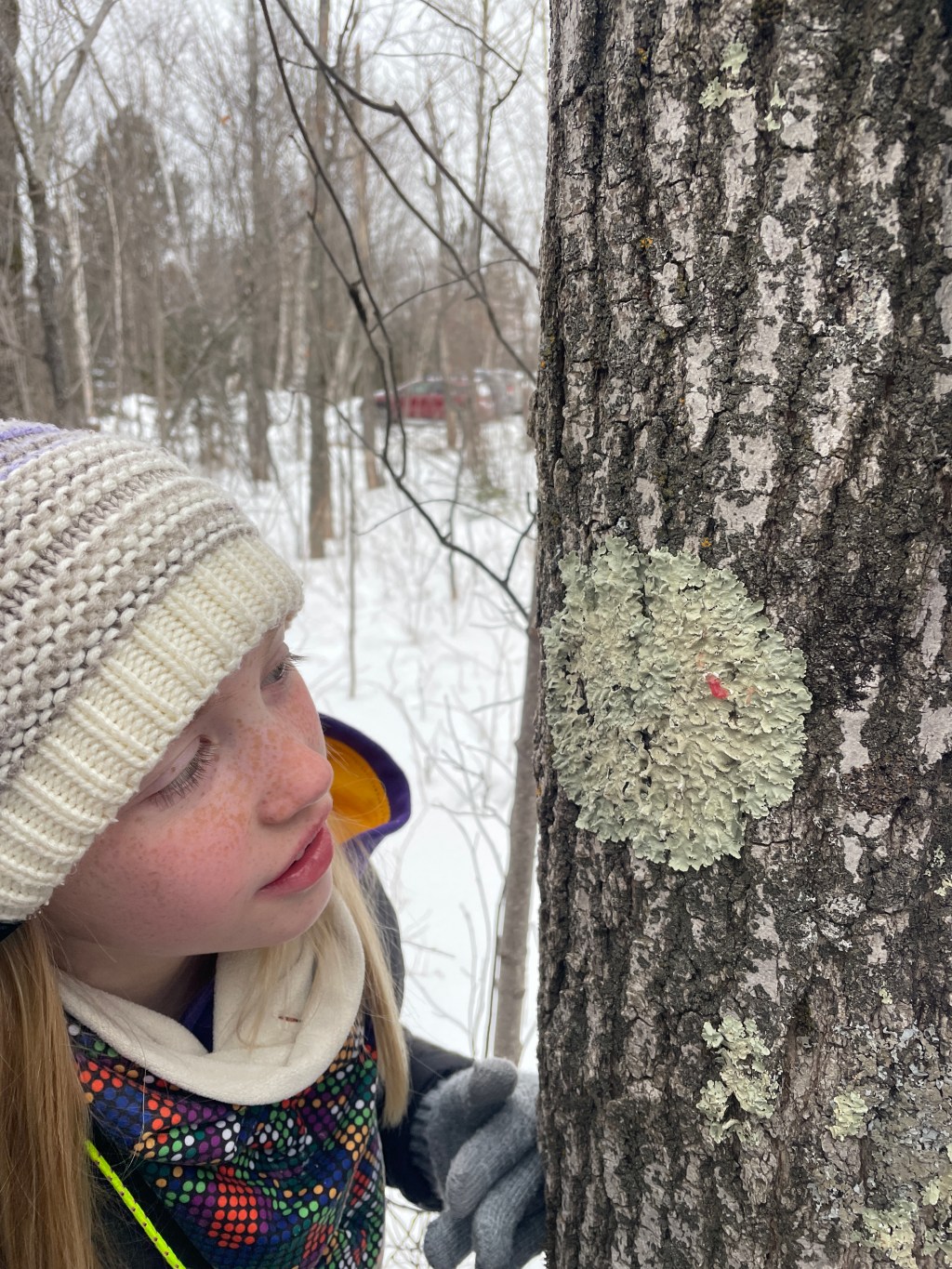
It was great to get back to forest school after the disrupted January schedule. We've had a great two weeks and have hit our winter groove (just in time, I know.) The Herons have especially enjoyed becoming more proficient in fire building and we've begun a project of lacing some Ojibwe snow shoes that we found in shed (anyone happen to have expertise in that area?) The smooth ice in the small field led us to try to make efficient ice-mobiles. Students used shovels as paddles ("they're a lever!") and then we worked to reduce friction by lashing runners for our kiddy-pool ice boats. It was finally warm enough to get our pocket knives back out and some students made giant compasses to continue the work with geometric constructions we had begun in math last week.
 With the dramatic change in temperature, the Herons noted that it seemed like Wednesdays were always colder than the other days of the week. I agreed it certainly seemed that way…but was it? We also used the Robin's weather data (they record the temperature every morning) to determine if our impression was correct. Students figured out the mean temperature for every day of the week (since December). It turns out that, on average, Wednesday is colder than Tuesday. However, Friday is actually the coldest day of the week. Of course, we're not outside all day on Friday! It was a great opportunity for us to discuss the power of data collection to prove (and disprove) our "gut feeling." The Herons saw right away that we might have a bias to think of Wednesday as cold compared to the other days of the week.


Out of My Mind
"Bias" has come up a lot in the Herons lately. Our read aloud, Out of My Mind, is written from the perspective of a girl with cerebral palsy. We've had a lot of really great conversations about disability and our own assumptions about people. On Friday, students even began a conversation about genetic engineering and whether or not our main character would have chosen to be born without cerebral palsy. I let them know that they were wrestling with the same complex issues that are central to the bio-ethics debate in our country right now. I think that it's empowering for them to know that there are still so many questions left unanswered in our world.
STEM Day
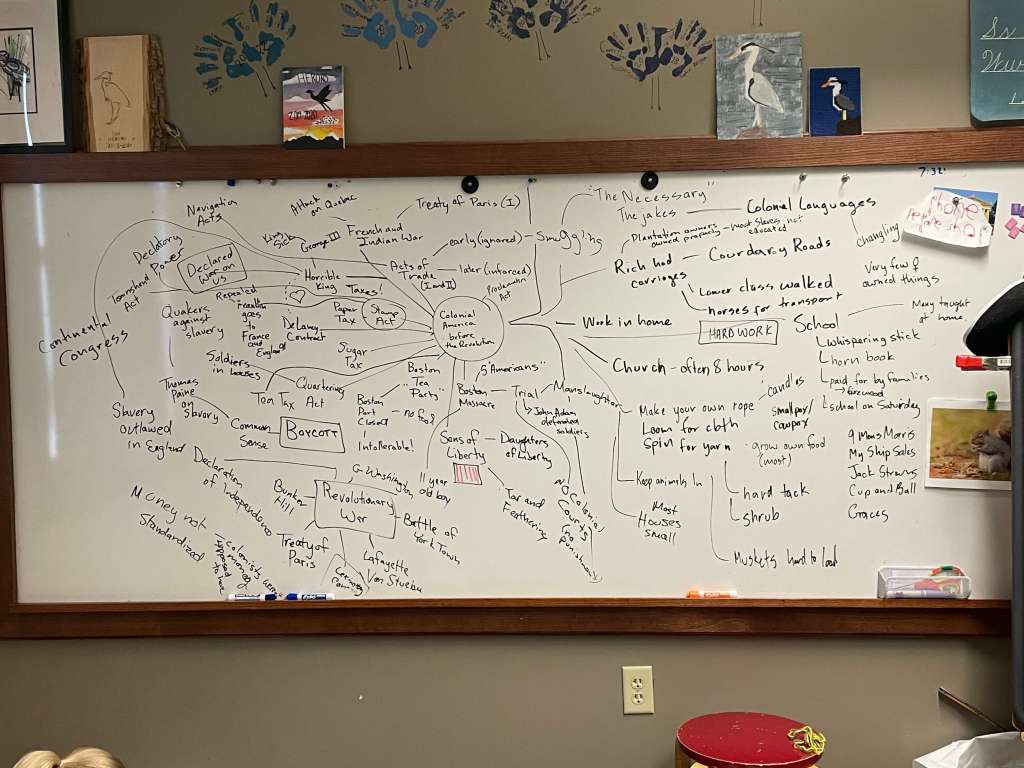
Prairie Creek hosted a bevy of scientists on Thursday who shared how they use science, technology, engineering and math in their work. We filled the white board with everything we had done. The Herons had a great time teaching their classmates what they had learned (among us, we had seen all nine presentations). A huge thanks to Keri, Jay and Pete for sharing their expertise with us.
.


Oracy
In our professional development, we've been working on "oracy" which incorporates conversation, debate and oral presentation skills. While our students have exposure to the basics, especially as they prepare to teach at culminating events and present their personal projects, we realized there was still a lot of room for improvement.
Here is a "before" and "after" shot of a group working together. We've been talking a lot about how we demonstrate listening in groups — might be a great thing to bring into your home conversations.


Piñata Sharing
Jennifer led a great All School Gathering on Friday to celebrate the completion of the piñatas that 4/5s have been working on in Spanish. We learned about the tradition of the piñata, the students shared their work with their bird buddies and then we all learned a song in spanish about piñatas. The piñatas will be smashed when the fifth graders get back from Wolf Ridge…the anticipation is intense.


 The Rookery
Leave a comment