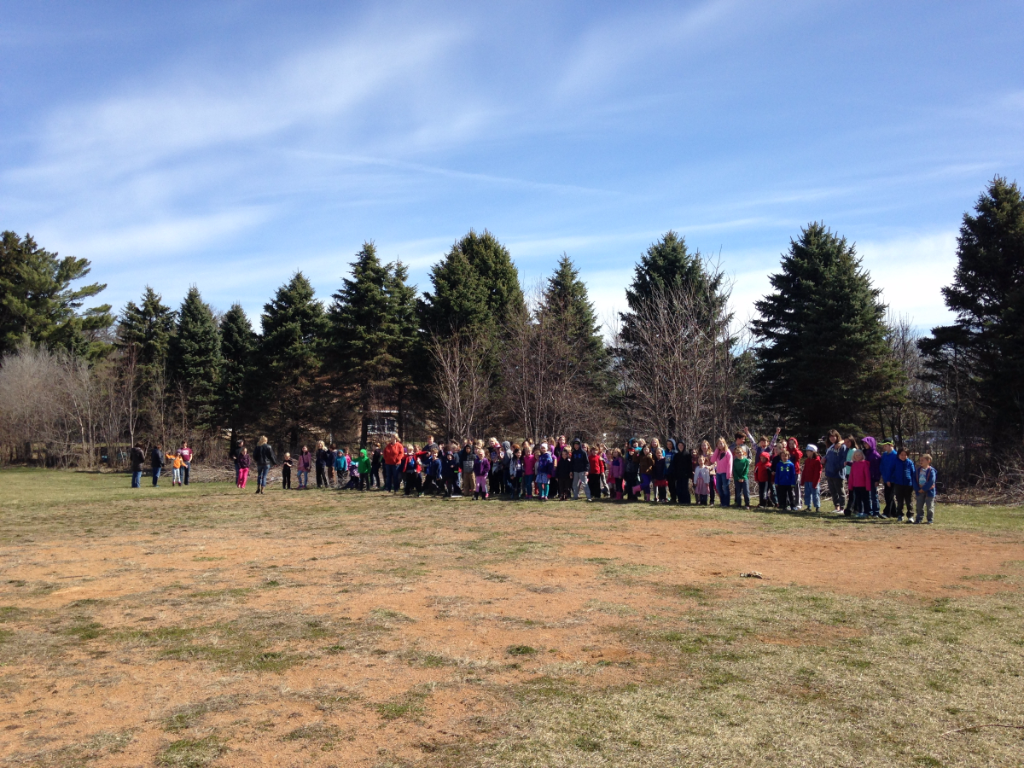
A hallmark of progressive education is the education of the whole child. We strive to nurture a child's academic, physical, emotional, and creative growth. Our honoring week is a celebration of this growth, the high point of our year. And then, every year, we exit our honoring week and enter our MCA testing; the juxtaposition can be jarring for us as educators.
In many schools, the weeks (or, in some cases, months) leading up to MCAs are filled with practice tests and drills. Everything falls away except for the focus on the test — a test which claims to be "comprehensive." But, of course, it can't be. No assessment could be and the notion that a multiple choice test could be is, frankly, laughable. It takes years to really know a child – not two hours. But I digress (and would be happy to digress more…don't even get me started about Pearson's incompetence and the unconscionable amount of money we spend as tax payers on their test.)
That said, we believe in helping the students feel comfortable sharing their knowledge in a variety of situations. Test settings are one of the venues in which students are asked to show what they know and we do do some work to prepare them for the MCAs. Much of our work focusses on these four tenets:
- Relax and have fun. We share ways that they can give themselves physical breaks as well as ways to calm down when they don't know an answer right away. We tell them to plaster fake smiles on their faces if need be because activating the smile muscles sends relaxing signals to the brain (even if you're faking it.) We keep a spirit of fun in our test prep.
- Get interested and puzzle it out. We give them techniques they can use to puzzle out the answer to an unfamiliar (at first) question. Without guidance, students see questions as black and white – they either get it or they don't. We teach students to eliminate answers that don't fit, use clues from other questions to help out, look for patterns in the answers that could be clues to the meaning of the question. We model how to parse out what a question might mean based on context. We stress the importance of engaging with what you're doing – especially for the reading test. Being interested in what you're reading can give you a huge comprehension (and confidence) boost.
- Know what to expect – many schools begin test prep in January (or earlier), going over practice test after practice test. We believe it's useful for students to know the format of the tests and be familiar with the different kinds of questions they might encounter (many questions involve students moving information around or clicking multiple correct answers instead of the traditional multiple choice.) We spend about one class period having the students practice navigating and answering the reading test and then another having them try out the sample math test.
- Be smart – check your work, use your tools - On line tests have tools that can support students' work. We make sure students know how to use these tools and we remind them to use them. Checking work is crucial and we have students use scrap paper to record the computations they make for the math. We also have students jot down quick notes during the reading test – mainly as a way to reinforce slowing down when reading on a screen.
These four simple guidelines can help students learn to see themselves as good test takers (which goes a long way to helping them be good test takers.) Best of all, they are applicable to every standardized test your child will be asked to take.
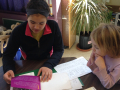
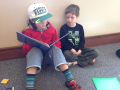
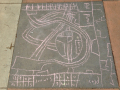
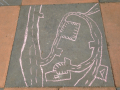
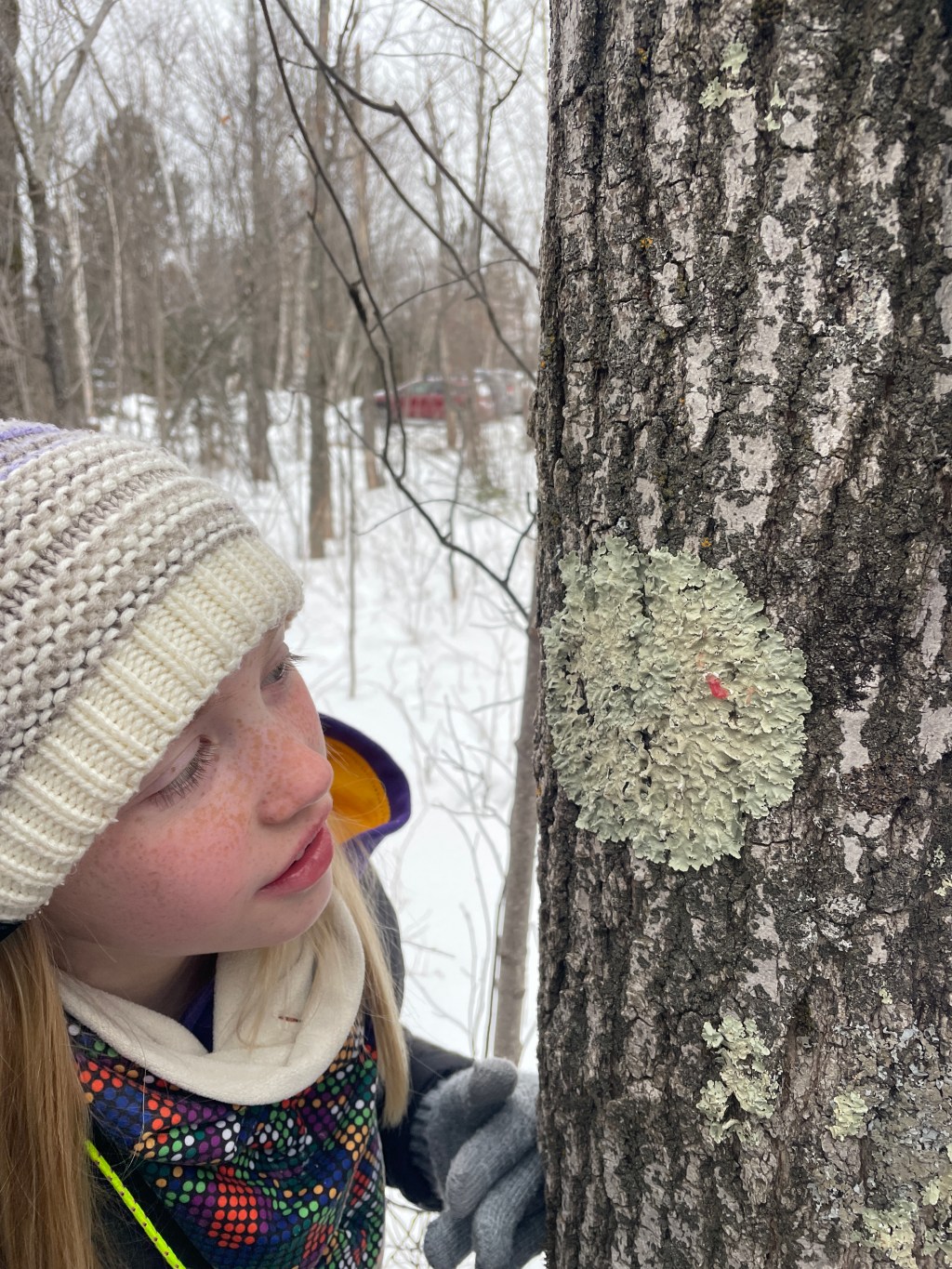
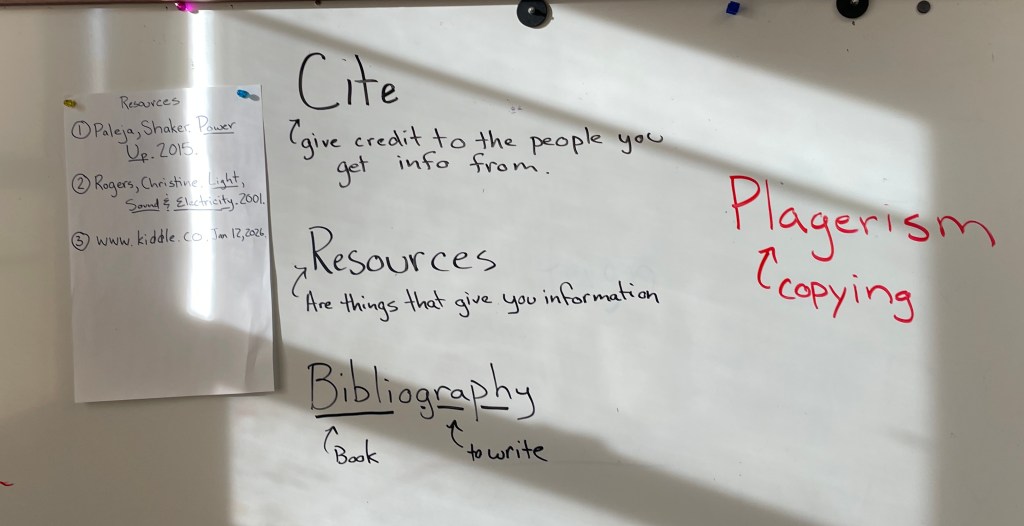
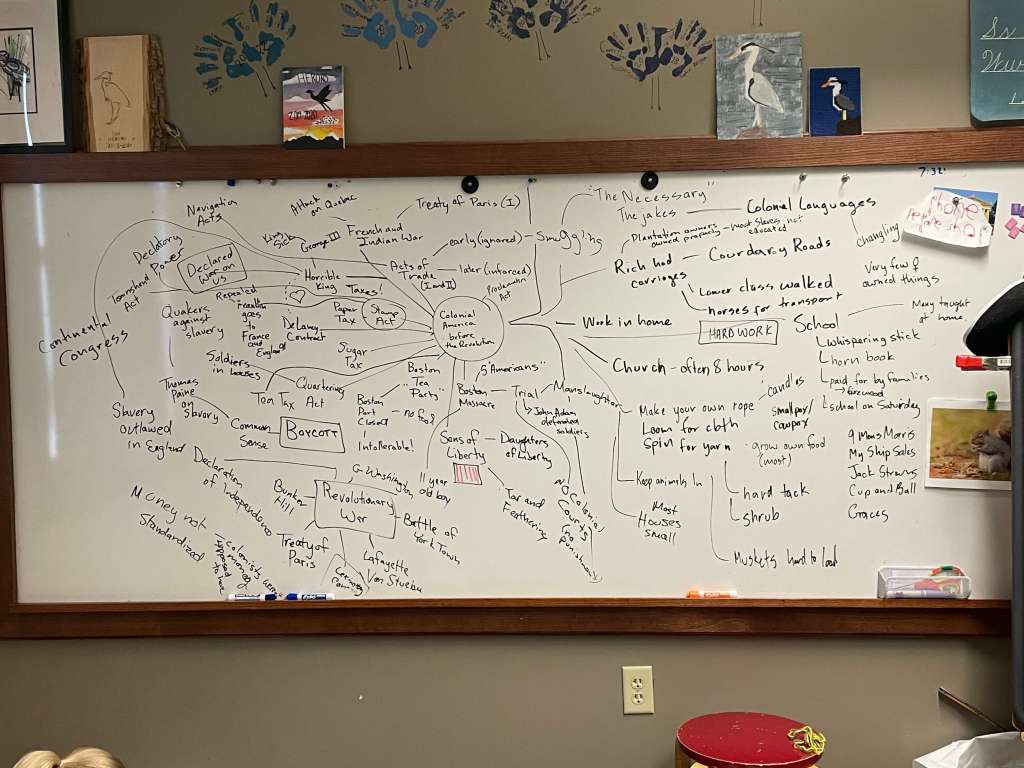
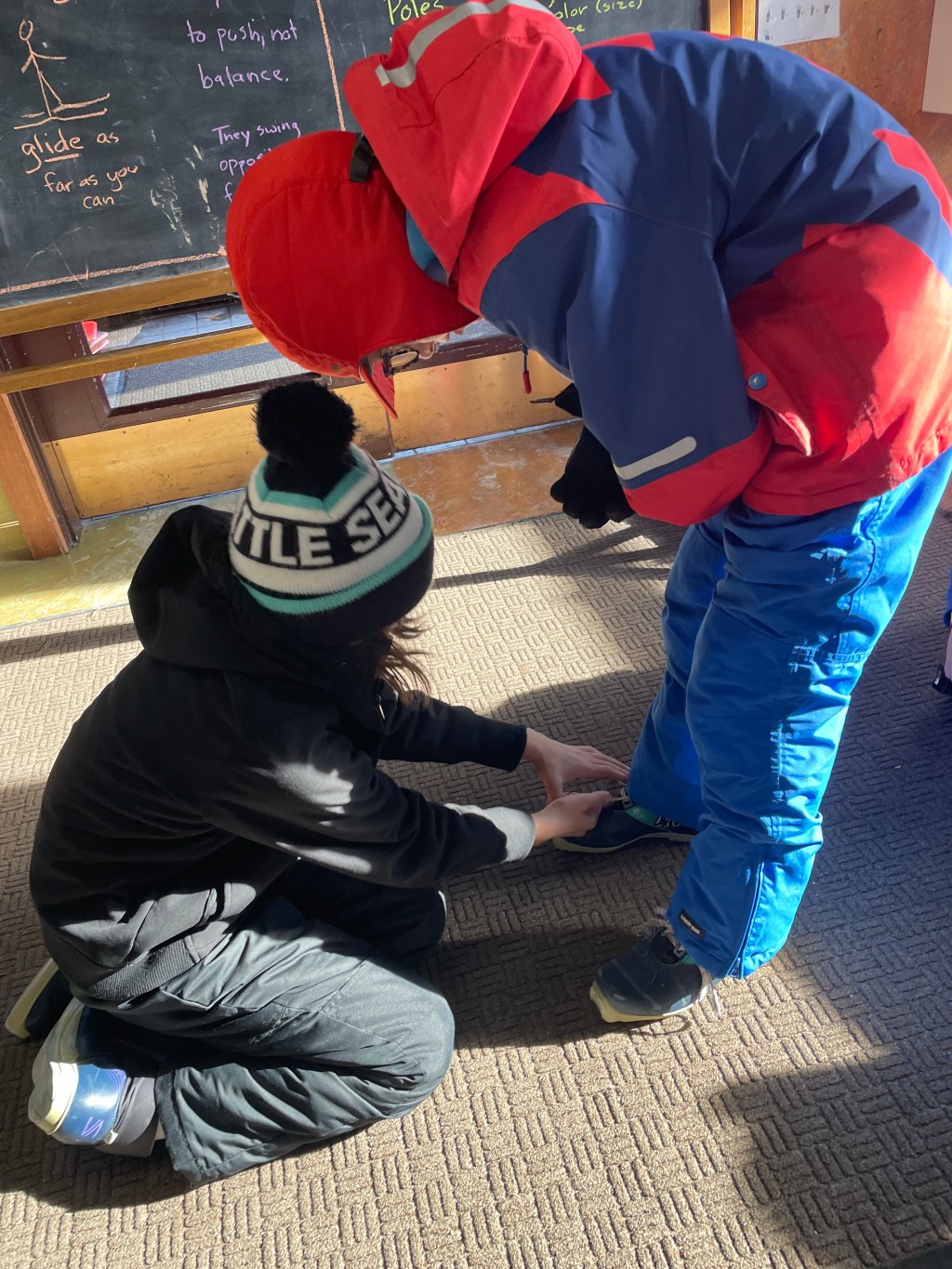
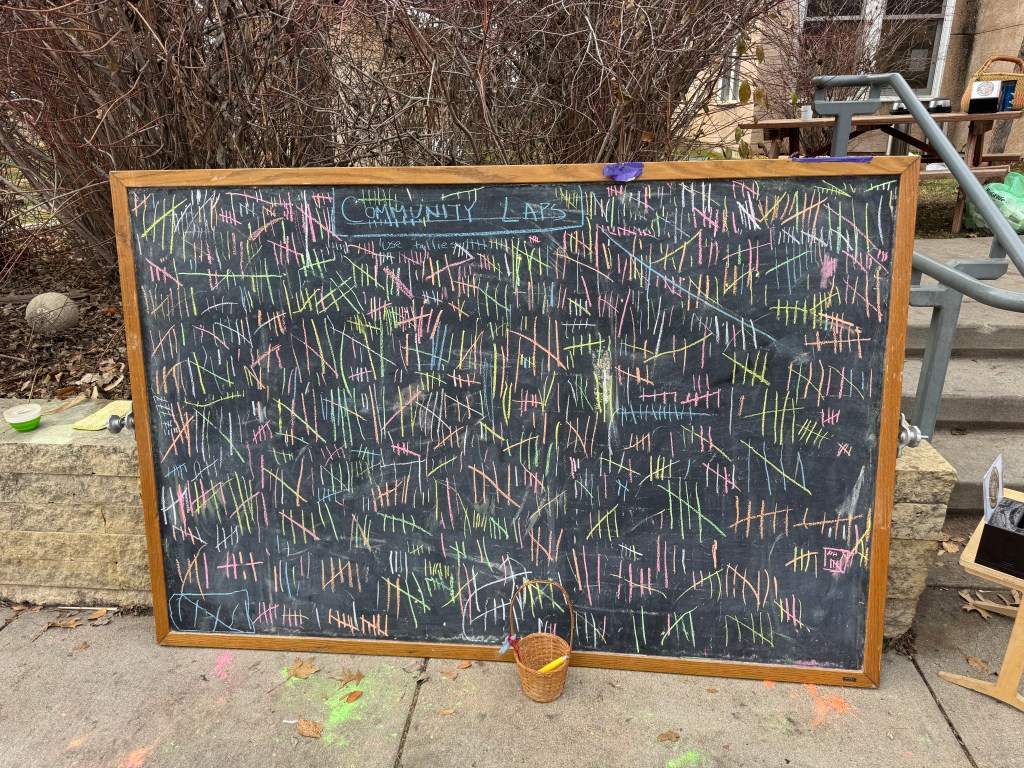
But, because we know that these tests are not comprehensive – we keep them in proportion. We spent our Friday reflecting on our projects, helping the Doves do research for their projects, creating street grids for our cities and hauling brush (that only took fifteen minutes but it sure was fun.) Teaching the whole child.











 The Rookery
Leave a comment