 Wrapping Up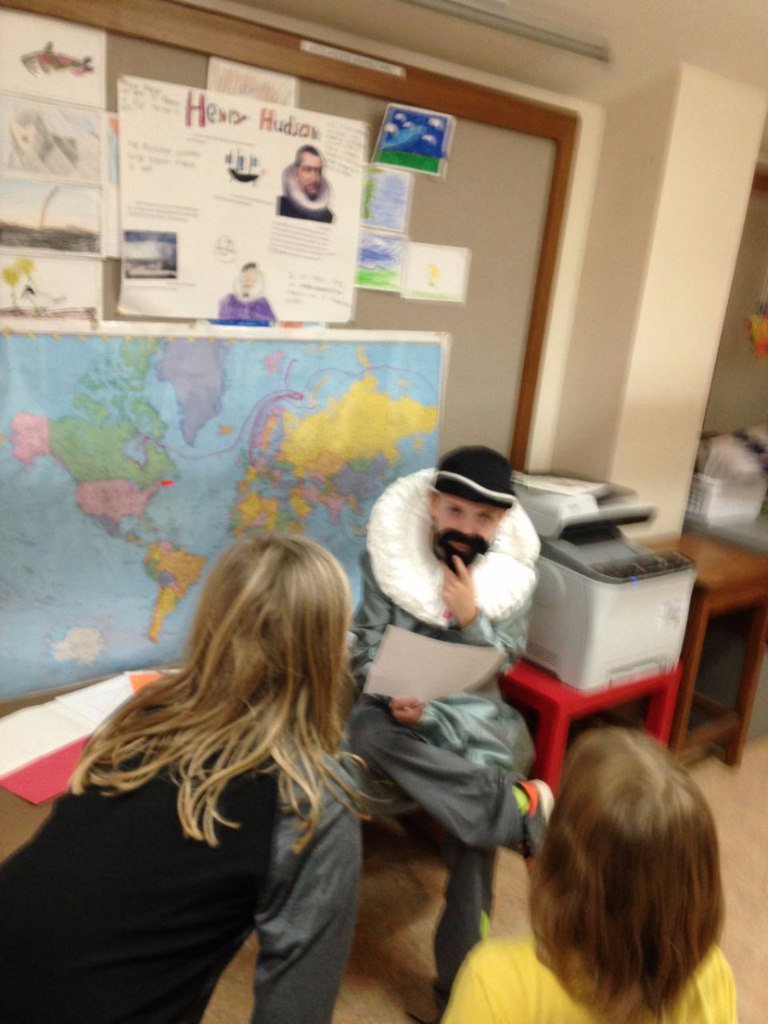
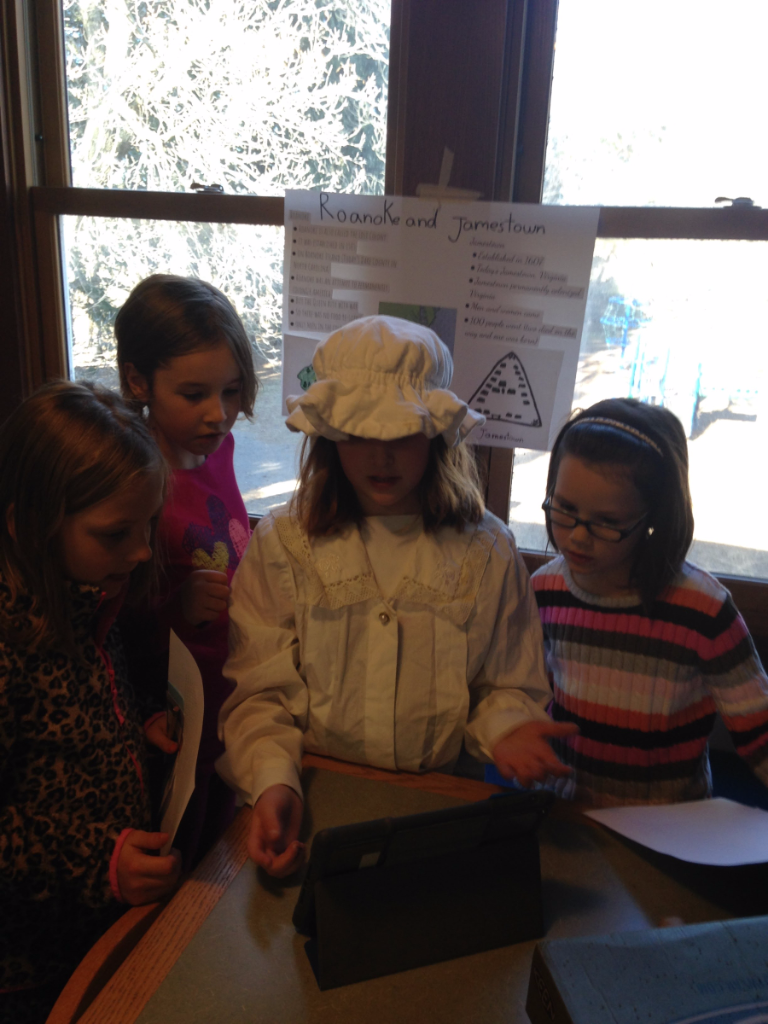
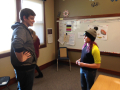
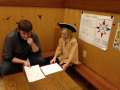
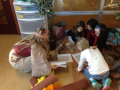
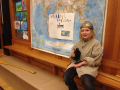
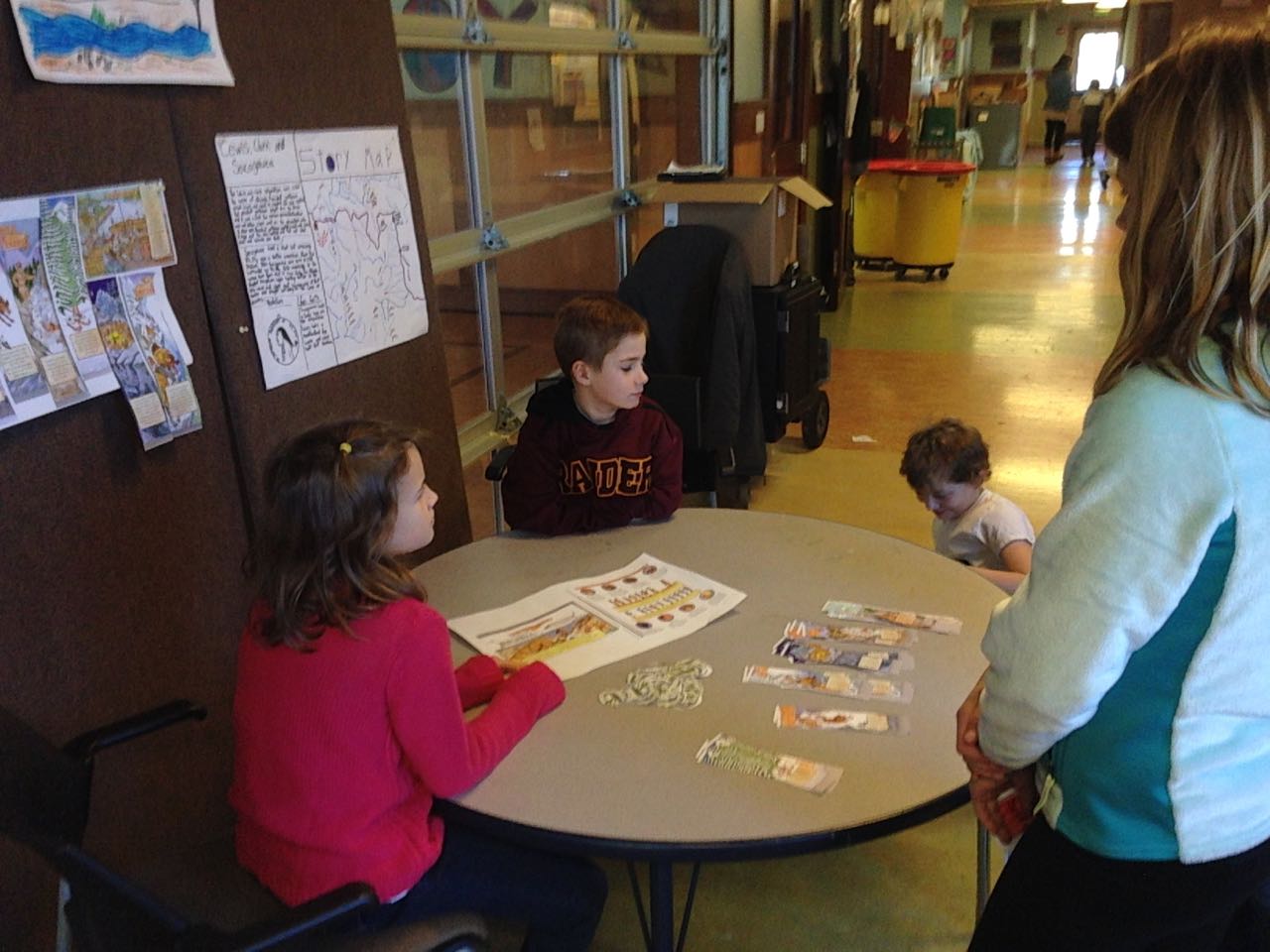
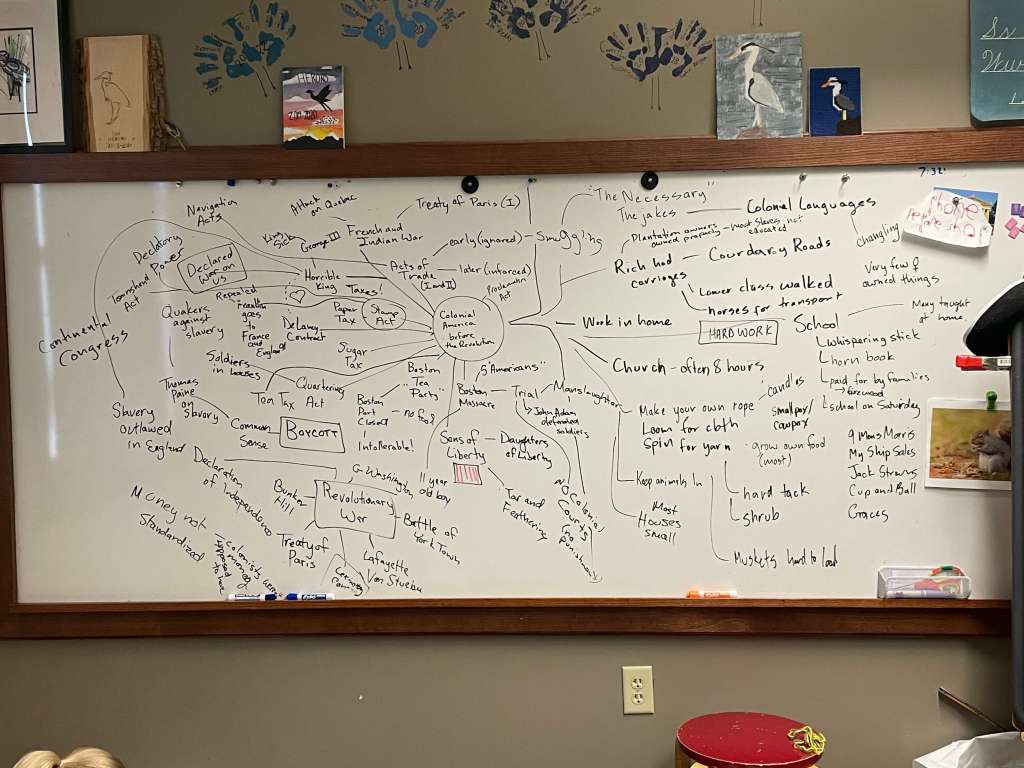
Remy and I had a great time at the Herons' "Into the Unknown" event, roaming around the school and watching the Herons strut their stuff. As a teacher, you live for the moments when the class is humming — focussed on their work, independently driven to do their best. Remy and I were completely superfluous (besides making some extra copies or getting a few more markers.) The Herons were poised and professional. They greeted our guests and taught with confidence and enthusiasm. There was something for everyone – whether you were hoping to avoid scurvy or interested in colonizing Mars.
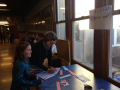
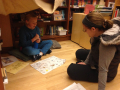
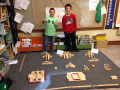
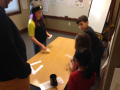
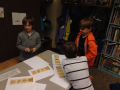
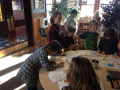
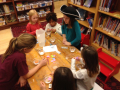
There's always a little down time after a theme. We reflect on our work and record it in our Blue Books. We take a collective deep breath and enjoy the relaxed calm that comes after a hard work out. And then we start looking forward to the next adventure. These are just a few of the pictures…if you don't see your child, I apologize – many of my photos were blurry and Remy had images of everyone and has printed them out for everyone's Blue Book but I don't have those images in my account!
Worries
We spent some of that down time reading What To Do When You Worry Too Much, a book about how to manage worries and anxiety. This work is an extension of our social curriculum and it was the first time that I'd broached the subject so formally. We had done some work with mindfullness, practicing breathing and visualization techniques but I had not connected those tools directly to managing anxiety. The Herons were very responsive to the lessons and seemed to appreciate the concrete ways to manage their feelings.
One of the key pieces of learning for the Herons (and a good reminder to me as a teacher and parent as well) was that worries grow when we pay attention to them. The book used an extended metaphor of worries as tomatoes. If you water a tomato bush every day, it will grow — if you think about your worries constantly, they grow, too. The book suggests that when we as teachers and parents offer reassurance again and again and again, we are inadvertently strengthening the worries. Instead, if we help students use logic, talk back to worries or compartmentalize them (by only talking about them during a designated part of the day) we can support students' work to overcome anxiety. We have extra copies of the book if you'd like to borrow it. I also recommend the unfortunately gendered A Smart Girl's Guide: Worry from the American Girl series. It is more comprehensive and gives specific and actionable advice.
When kids experience anxiety, they often feel like they are the only one. As we read through the book, the Herons shared stories and advice with each other — and revealed that, indeed, almost all of them have been too worried at some point. It was useful to develop a common language with the Herons so that, as we continue to work on our skills, we'll share the same foundation.
 When the Forest Freezes
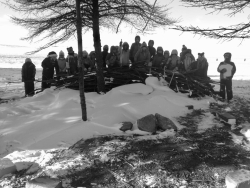
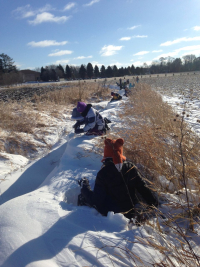
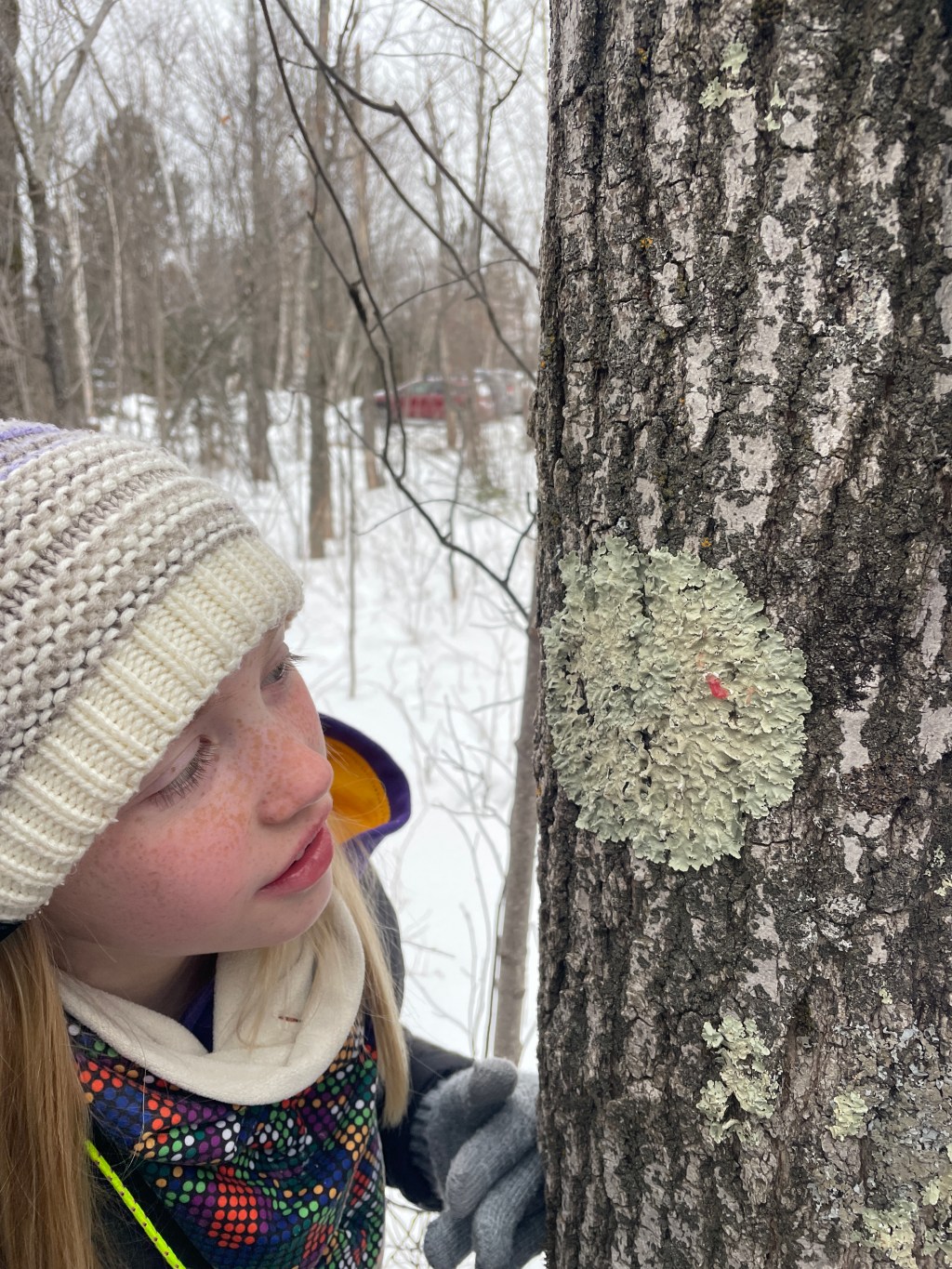
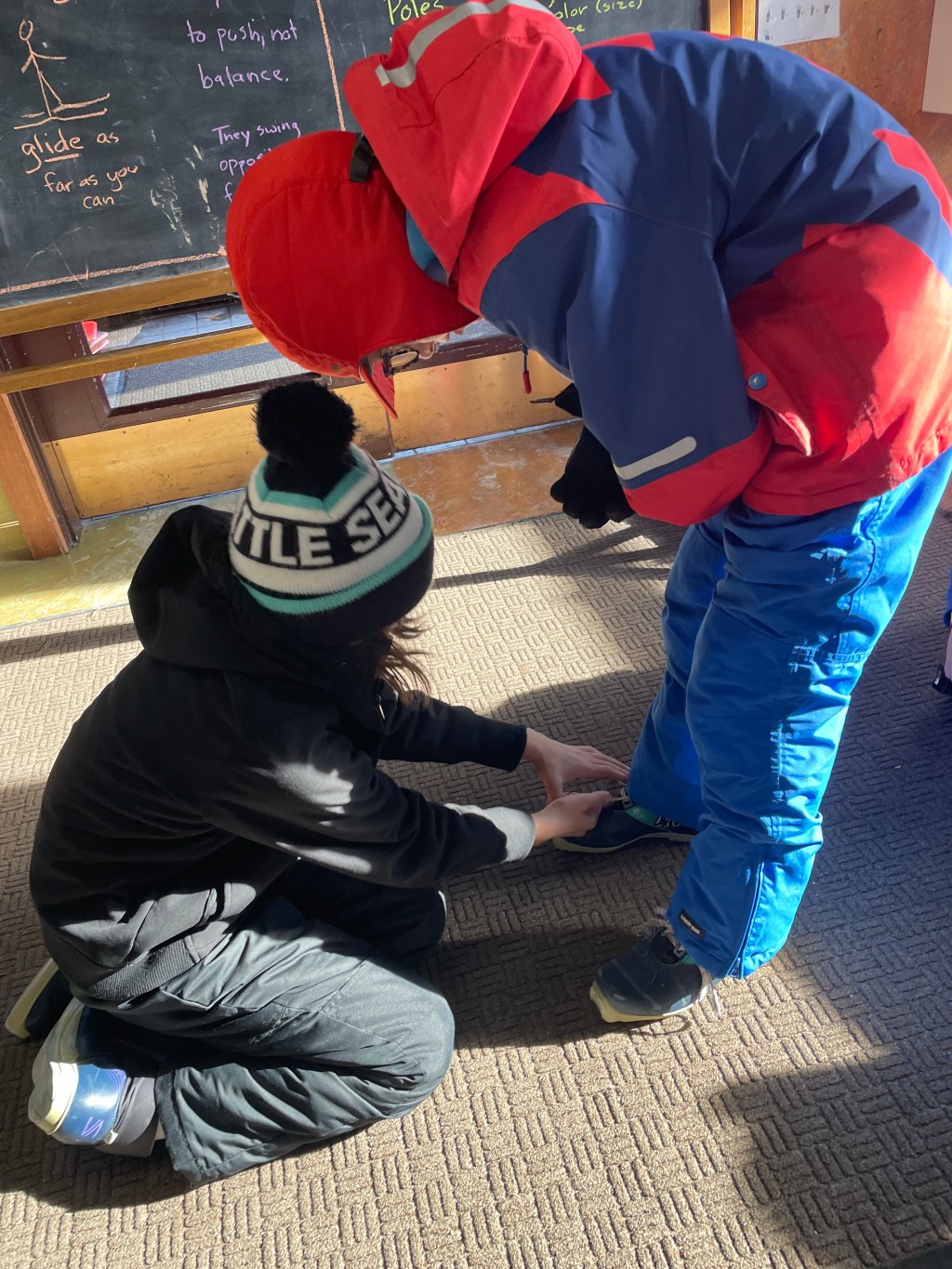
We had our first truly cold forest school this past week – the winds were whipping but, luckily, all of the Herons were dressed for our time outside. We often shift to more active work when the temperature falls and we explored and measured the snow drifts (116cm!) around the school learning about the physics of drifts and looking for signs of life in our new subnivean zone.
I had one of those "aha" teaching moments while we were setting off on our hike. One of the students pointed out that only boys had meter sticks. I urged her to "go on and get one, then," and gave the girls a reminder that they have a responsibility to step up. One of the students who had a meter stick looked at me and said, "Someone can have mine." The act was simple and natural. He saw the inequity and acted to change it. For years, I've talked to girls about how to lead and be assertive. I've talked to them about the importance of negotiating for salaries and demanding to be listened to. But I had neglected half of my class! We all have a responsibility to address inequity when we see it – especially when we benefit from it. The boy who offered up his stick was showing us that he could contribute to the solution, too. The meter stick was a small thing, to be sure, and the boys hadn't excluded the girls knowingly — but it was a great opportunity to note that everyone can work to make things fair.
Number Talks
In our current exploration math unit, we're focussing on measurement and data handling. Because we're working with our own classes, the Herons and I have gotten a chance to do a lot of number talks. In a number talk, students tackle a mental math problem. They keep track of how they solved the problem and then we share our methods. It sounds simple – but the results can be profound. Students often learn new ways of looking at numbers. They puzzle out how things work. They also learn that there are many ways to think about number and that math, even when it has a single answer, is a creative endeavor.
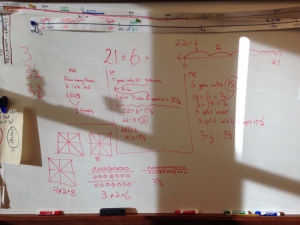 Sometimes, even I get to see things in a new way! This past week, in exploration math we tried 21÷6= . One child shared that she knew that seven went into twenty one three times. Because 3x2=6 she then spilt 7 into two parts and got 3 1/2. It was the right answer…but I'd never thought of it that way. In fact, in the moment, I wasn't sure if it was a way that would always work or if it was a happy coincidence of numbers. It was a perfect and authentic chance to model the mathematical habit of mind of testing conjectures. I explained to the class that I was wondering if it always worked or if was just something special about these numbers. I told them I would try a new number 22÷6. I followed the same logic…eleven goes into 22 twice. 2x3=6 so then I should divide 11 by 3 to get the answer. 11÷3= 3 2/3 which is indeed the answer to 22÷6! It works every time.
"But why does it work?" I wondered aloud. I decided to draw some pictures to help me model it (another math habit of mind) . As soon as I drew the first problem out, we could see what was happening. I split twenty one into three rows of seven, then split each of the rows in half (two columns) . We ended up with six sections, each with 3 1/2 dots. Not everyone in class followed all of the explanation — but they were able to see me work through something in real time. They all got to see how I reacted when something didn't make sense to me. And I got to be filled with wonder and awe at the myriad way folks think about number.


 The Rookery
Leave a comment