
Fourth and fifth graders are able to be two places at one time. Developmentally, they are just now able to pretend…and know they are pretending. They haven't lost the skills of creative play but they have gained the skills of analysis. Because of this, role play is an incredibly rich tool to use when learning about history. (Cathy's written beautifully about the Robin's Voyageur role play here and here.
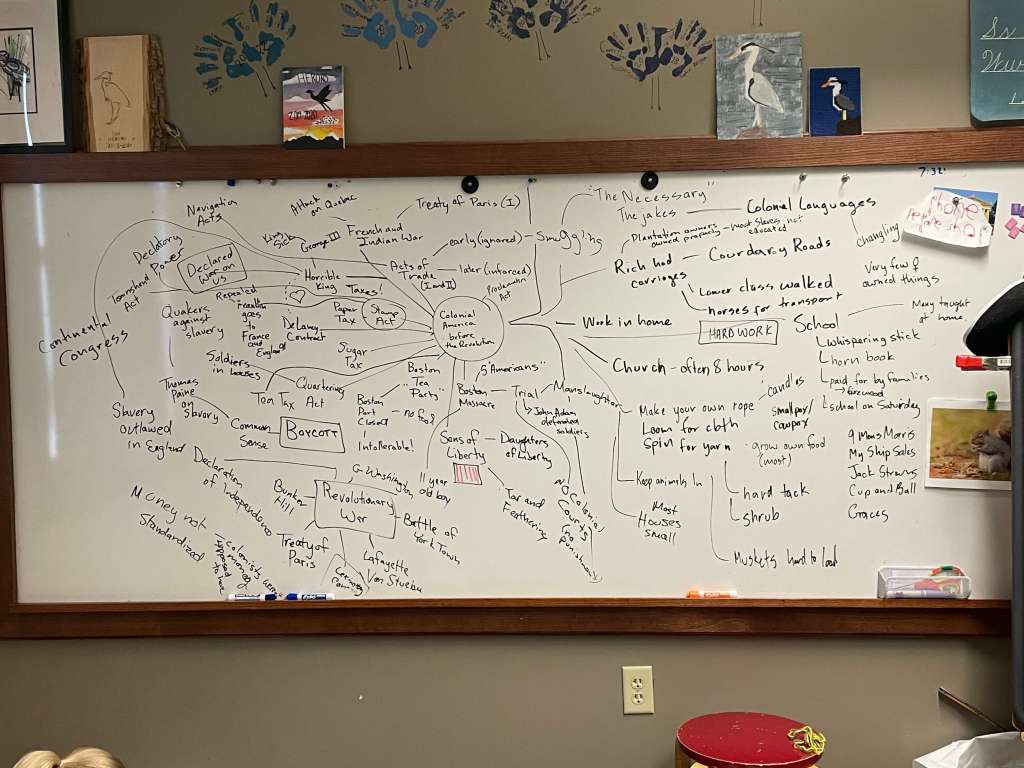
Two weeks ago, the Herons began to learn some background information about the British colonies in North America. They were politely interested about the Northern, Middle and Southern colonies. They listened and took notes about Columbus, Jamestown and Plymouth. And then they got their characters. Each child received a dossier with information about the character they were to portray.
Suddenly, they were bursting with questions. "What does a Quaker believe?" "What would I do to run a farm?" "Would I have been able to read?" "Did indentured servants know they would be free eventually?" "How did a free black man become free?" "Was Long Island close to Virginia?" "Were there slaves in all of the colonies?" "How would I spend my day?" "Why didn't congregationalists celebrate Christmas?" "What would a ship builder need…and do you have books about ship making?"
The questions were authentic and the students were driven to find the answers. They wanted to know what they would have eaten and how they would have dressed. All of this information was suddenly pertinent. They now cared much more because it was their life we were talking about. This authenticity is the foundation of progressive education. Learning is at its most powerful when students are seeking information.
I have done this theme several times since I began writing it in 2000. There are over forty characters – and I assign characters so that we have a wide range of experiences and beliefs. Over the years, I've added more characters — a range of women, enslaved Africans, and free Blacks — and, on the day students get their characters, we talk a lot about the voices that are missing from "official" history. This role play is an opportunity to make those voices heard and to imagine lives that were lived but not deemed important enough at the time to be worth recording.
After building an understanding of their character and the life they lead, students meet in the "tavern" every other day and receive a newspaper that shares what's happened since we last met (there's usually a gap of four years between papers). We talk about the news together and students share some of their opinions. Then, students write a diary entry sharing their response to what's happening.
About a third of the students have characters that lean toward rebellion, about a third lean toward being loyal to the King and a third don't have a strong opinion, at least initially. This echoes the ratio of rebels to loyalists in the American colonies. It can be surprising to students how ambivalent they feel about the King — the narrative we often see in the media is that of the eager patriot; it can be easy to assume that everyone was ready to risk their home, business and life for the pursuit of liberty. The true story is much, much more complicated.
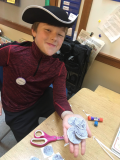
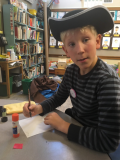
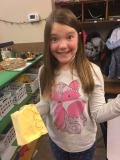
Our self portraits of our characters:


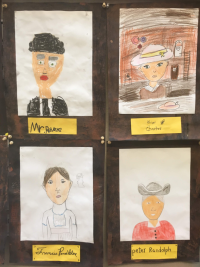

My hope is that by learning how many different opinions and experiences existed for this time period, the Herons will learn to be critical consumers of all historical narrative. The story is always complicated. There is never a single version of what happened. Asking questions about whose voice might be missing and what part of the story might be emphasized is so important.
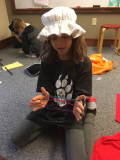
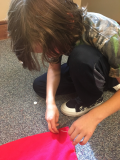
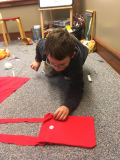
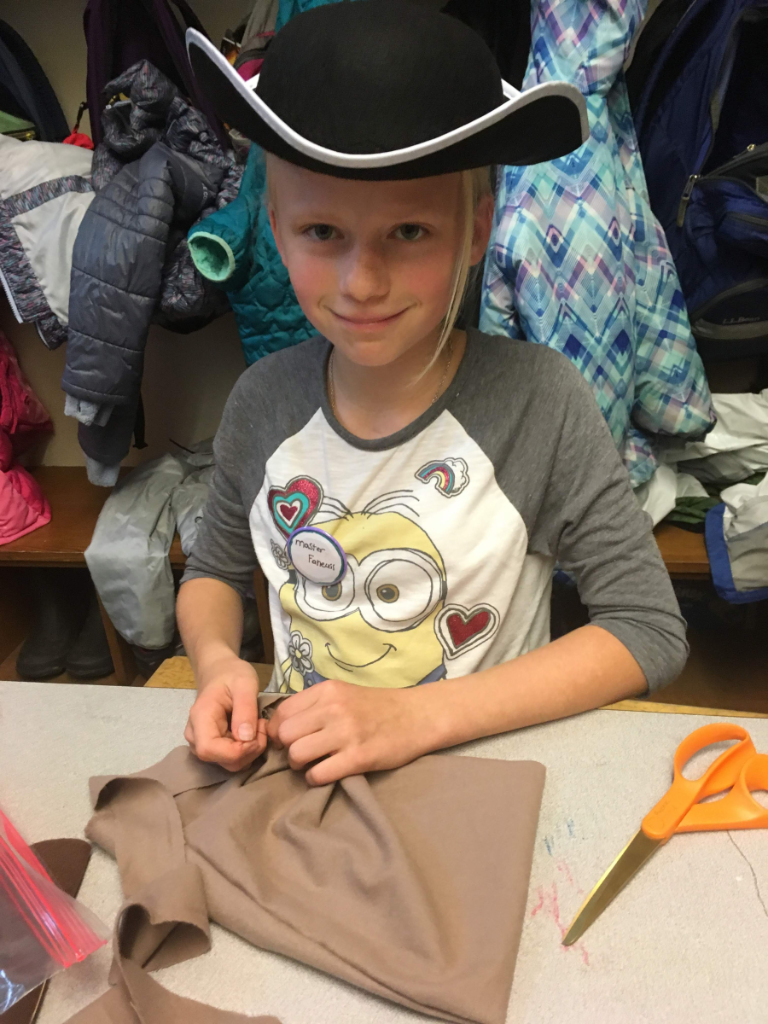
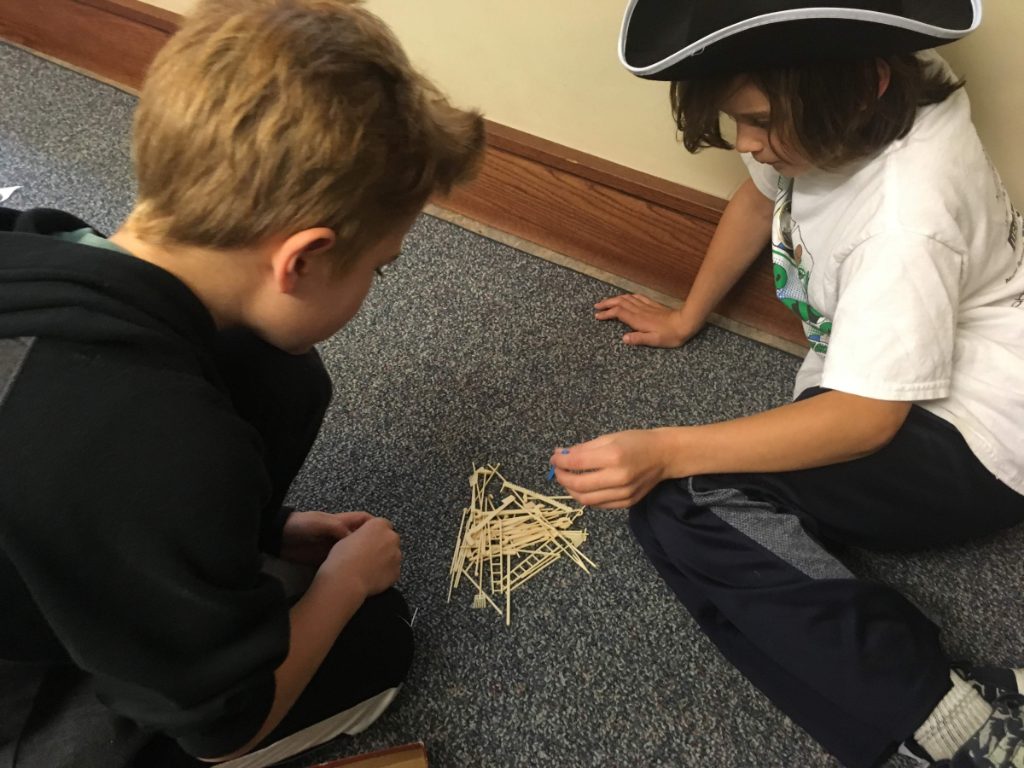
In between newspapers, we continue to deepen our understanding of pre-Revolutionary America with mini-lessons on money, manners, the Iroquois, the Wampanoag, natural resources, triangle trade, the lives of children, slavery in the colonies and more. And we'll continue to learn about the daily work of most colonists by sewing pockets, sipping shrubs, using quill pens, and more.
There may be days when your child comes home full of rage and anger. There may be days when they are confused. In the past, I've had to confiscate at least one Sons of Liberty flag at dismissal lest there be a riot on the bus to the middle school. Here we go.







 The Rookery
Leave a comment