The Silk Road
The year is 800 CE and Charlemagne is ruling the Holy Roman Empire from Aachen. The silk fabric that is traded in Aachen is exquisite, dyed with bright colors and interwoven with gold. But by the time the silk has arrived in Europe, it is very, very expensive. In our role play (although not historically) Charlemagne wants to control silk production in the west and has asked the Herons to follow the trading route back to the source of silk – the land the Romans called Seres.
These first few days have not been easy – who are we? What are we doing? Where are we going? What are we learning? Those were the literal questions the Herons were trying to answer this past week as we entered into the theme. We also had to set expectations for our work together. How would we make decisions? How would we ensure everyone had a chance to share ideas? (Would everyone's voice be given equal weight if we were really in 800?)
The Herons spent a week in Rome provisioning their caravans. They learned how to read roman numerals and our read aloud, The Midwife's Apprentice, taught us a little about the medical understanding of the day. They used a map of Roman Roads to determine the fastest route to Constantinople, where they had heard some monks may have stolen the secret of silk.
For this theme, the caravan will travel along a route they determine from the information they learn in each town. When we reach a new location, each member of the caravan will split up and focus initially on one of seven knowledge areas: technology/architecture, geography/terrain, food/craft, music/stories, religion/medicine, language/customs, and trade/number systems. The caravan then regroups and individuals summarize what they've learned from the people in the town. The create a report for Charlemagne, trade goods in the marketplace, swap gossip and try to discover more about silk. They also write a page of their own travelogue to create a record of their travels.
As we travel, students will see how ideas, religions, technology and goods were transferred back and forth along the silk road. Paper, air conditioning, calculators, moveable type, the concept of zero…all of these technologies were created in the countries east of Europe. I can hardly wait to discover with the Herons.
Many apologies for the lack of theme pictures – we've been very busy and I haven't been documenting our work together. If you are interested in being a part of our theme, I am looking for volunteers to do small cooking and craft projects, portray village members in the market place or help students do research. We'll be working on theme almost every afternoon (Monday 1:20, Tuesday 12:30, Wednesday 12:30, Thursday 12:40, Friday 12:30)
Writing Circles
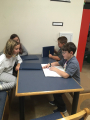
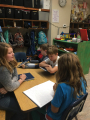
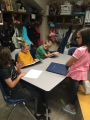
We are nearing the end of our first round of writing circles. Students are in groups of four and each week they choose a different loose theme to focus their writing on. We end each week by giving each other specific feedback that can be used as the basis for revision in the weeks ahead. In about a week, many Herons will be looking for help typing their stories into a Google Doc. Let me know if you would like to type (either at school or at home.)



Forest School
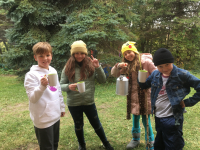
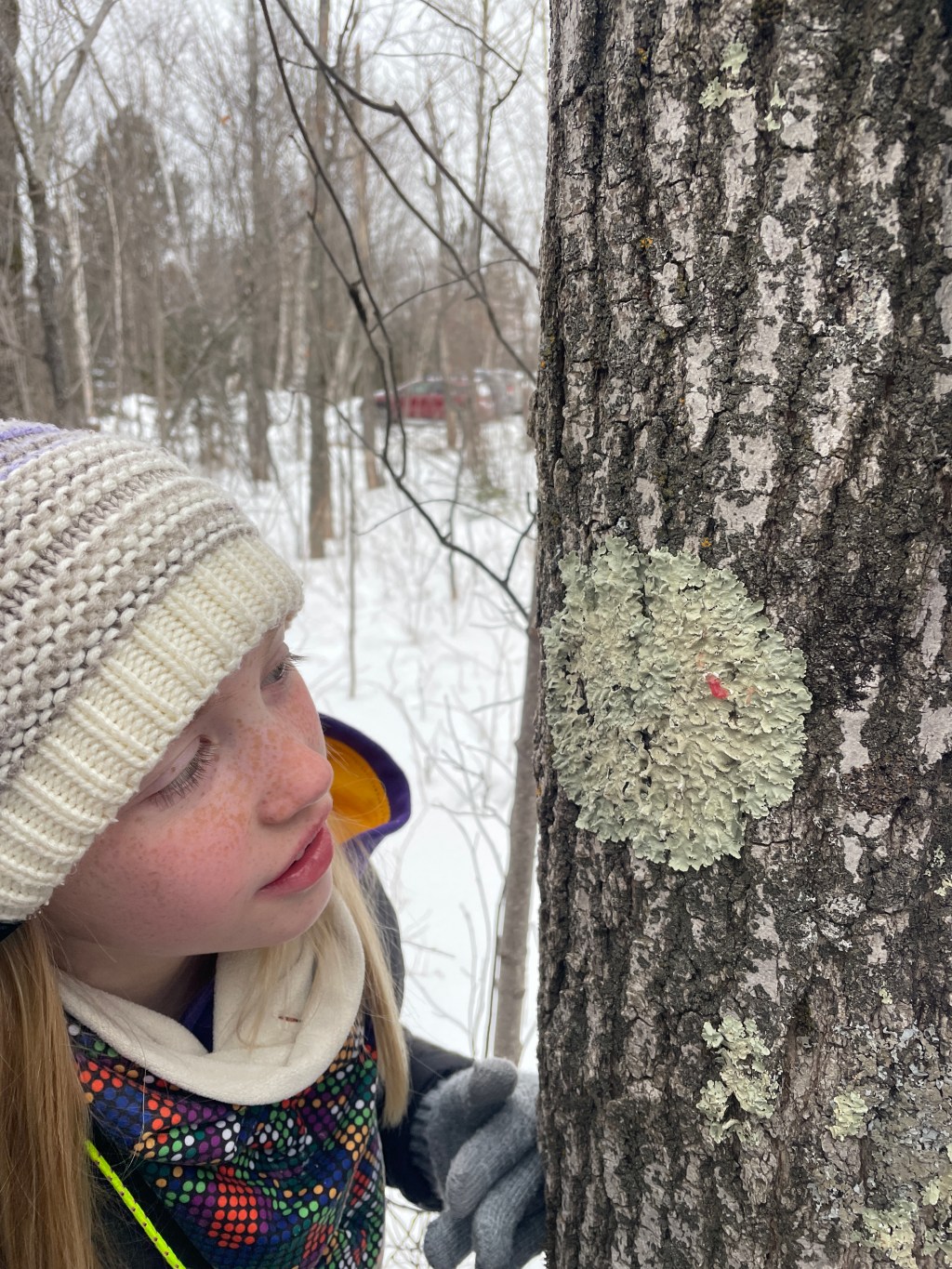
Many Herons have worked with our "Kelly Kettle" these past few weeks. It's an ingenious little twig stove that heats up enough water to make a round of hot cider or tea. It's one of the choices students can make during our woods craft work each Wednesday. Other options include whittling, buck thorn removal, fire starting (with flint and steel, fire stick or bow drill.) Herons have also been making clay beads and firing them in the coals.
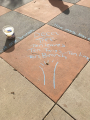
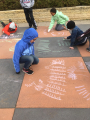
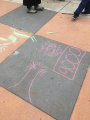
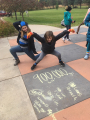
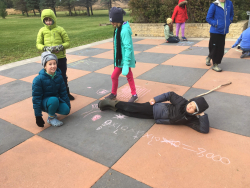
This week's math lesson was a favorite – the Deca Tree. Imagine a tree that has ten branches which each have ten limbs which each have ten twigs which each have ten leaves. How many leaves will be on the tree if you cut down one of the ten branches. Students often jump to "400" because there are "four sets of ten" (and, even though that would be 40, they know that seems too small.) As we explore the problem further, students begin to get a better sense of the powers of ten. Even though they all are familiar with Base 10, this exploration really solidifies how place value works. Some approach the problem with subtraction (10000-1000) some with multiplication (9x10x10x10). Some students extend the tree to include 10 caterpillars on each leaf with 10 eggs each for each caterpillar. There are some pictures of solutions below.
I welcome volunteers on Wednesdays, especially during the final part of Forest School, 10:30-11:15. You can come and teach a skill (knots…lashing…) or help students cook in the fire. We are also running out of kindling and hatchet work is one thing that I think is best left to folks older than fourth and fifth grade. If you have a source of kindling or are willing to come and split some of our logs, please let me know.






 The Rookery
Leave a comment