
The Herons stand at the edge of the Taklamakan Desert, contemplating the more well traveled but longer northern route or the riskier, shorter southern route to Dunhang, possibly the last stop on their journey. They have still not discovered the secret of silk, but sense that they are getting closer to Seres, the source of the silk that is so precious in the Charlemagne's Empire.
Along the way they've encountered many new ideas, foods, cultures, and religions:
In Constantinople, they visited the huge Hagia Sofia church and enjoyed some delicious garum, a fermented fish sauce. The greek alphabet and number system was new and exciting. However, rumors of silk production seemed to be false and they continued on to
Antioch where they enjoyed some delicious apple tea and flatbreads with the local goat cheese. Charlemagne was pleased to learn of the noria, a technology used to raise water into aquaducts. Thanks to the Noria, the Antiochians enjoyed flowing fountains and some houses even had indoor plumbing. Those same houses had beautiful mosaics. The traders sagely bought up tyrian purple dye, sure to be worth more as they traveled east. In Antioch, the caravans also found silk cocoons, unwrapping (pardon the pun) part of the mystery but they were told the cocoons came from Baghdad or perhaps…
Merv where the Herons discovered yakhchals, ice houses that kept blocks of ice frozen through the summer even through the blazing heat of summer. They use that ice to make faloodeh – an rose water and lime ice cream still popular in Iran today. We marveled at the tiles in the mosques and learned about the tenets of Islam. In the market, they learned of a number system that used only ten symbols, using locations to represent groups of tens, hundreds or thousands (so much better than roman numerals!) But alas, no one in Merv could make silk the secret lay farther east and the Caravan headed across the Karakum Desert to Samarkand, the Ferghana valley and in the foothills of the Tian Shan…
Kashgar where traders from India to the south have brought the ancient religion of hinduism. Hindu numbers work like the Arabic numbers the Herons learned about in Merv and alphabet has thirty vowels and forty consonants!. Kashgar lies at the intersection of many trading routes and many languages are heard in the market place – "Shalom," "Namaste," "Yassou" – and the music of the Daira and Tabla fill the streets. The secret of silk must be near. Some of the traders say they have seen it made and so onward…
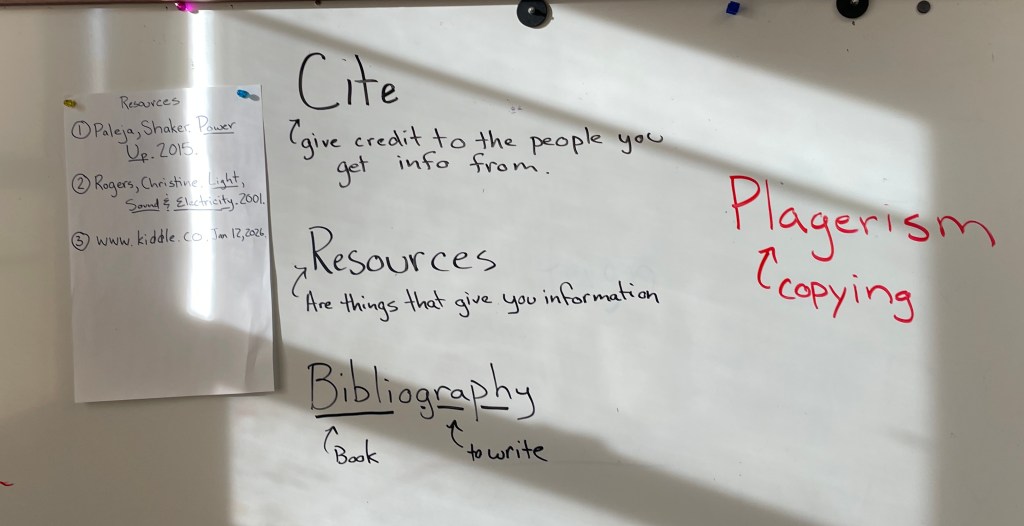
The Herons are nearing the end of the silk road where we'll be unravelling our own silk cocoons (shhhh! they don't know that yet) and reflecting on the impact of the Silk Road on the cultures that traded along it. We'll also be preparing to teach the school (and you) about what we've learned along our journey. If your interest is piqued, you can check out some of the on-line resources we've used to supplement the books and articles we've read as we explore.
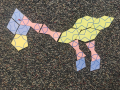
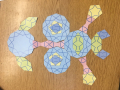
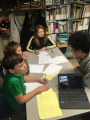
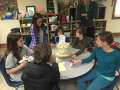
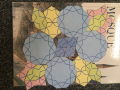
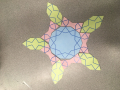
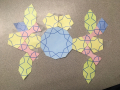
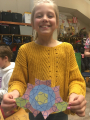
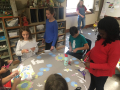
Here are some pictures – we had a great time experimenting with girih tiles:









 The Rookery
Leave a comment