What makes learning truly memorable? What will students take away from our work that will still be with them a year from now? When they graduate? When they have kids in school themselves?
I was struck by a conversation last Friday at Special Persons' Day. The Herons were interviewing our visitors about memories they had of school and one grandfather came up to me to share his memory. His fourth grade teacher – he still remembered her name – had allowed her students to put their desks wherever they wanted in the room for the last month of school. The rest of the year, they were in rows but that final special month, they could gather in groups to work in projects (or separate off to work by themselves.) And he still remembered that – all these years later. His eyes were alight and he smiled fondly as he told me about that special month (and special teacher.)
I think his story was about much more than a seating assignment. He was trusted by his teacher to make good decisions about his learning. She treated him as an active participant – not a passive receptacle. For that month, he had an agency that he was often denied. Perhaps, most importantly, he was respected by his teacher and trusted.
Student agency and respect are central to progressive education. In the Herons, we make decisions about learning together. This doesn't mean that "anything goes." Students are expected to take responsibility for their learning since they are given the freedom to make decisions about their learning. As the students will tell you – with freedom comes responsibility.
• During independent reading, students read "just right books" and, if they are having difficulty doing that independently, I can include them in a book club, include them in article readings or set goals with them using a tool like "genre bingo."
• In math, students are often asked to do formative assessments. Often, when they don't understand something, they'll mark that item with a "TM" or "Teach Me." They understand that the onus is on them to identify what they need to learn next.
• During number talks, students listen to each others' ideas and consider them carefully. Does it work? Is the math solid? Do they have questions? Students are responsible for critiquing each others' explanations…and I guide the conversation with my own questions.
• In writing circles, students are able to choose the theme that they are writing about – and then they are responsible to their peers to create a written piece to share in the time allowed.
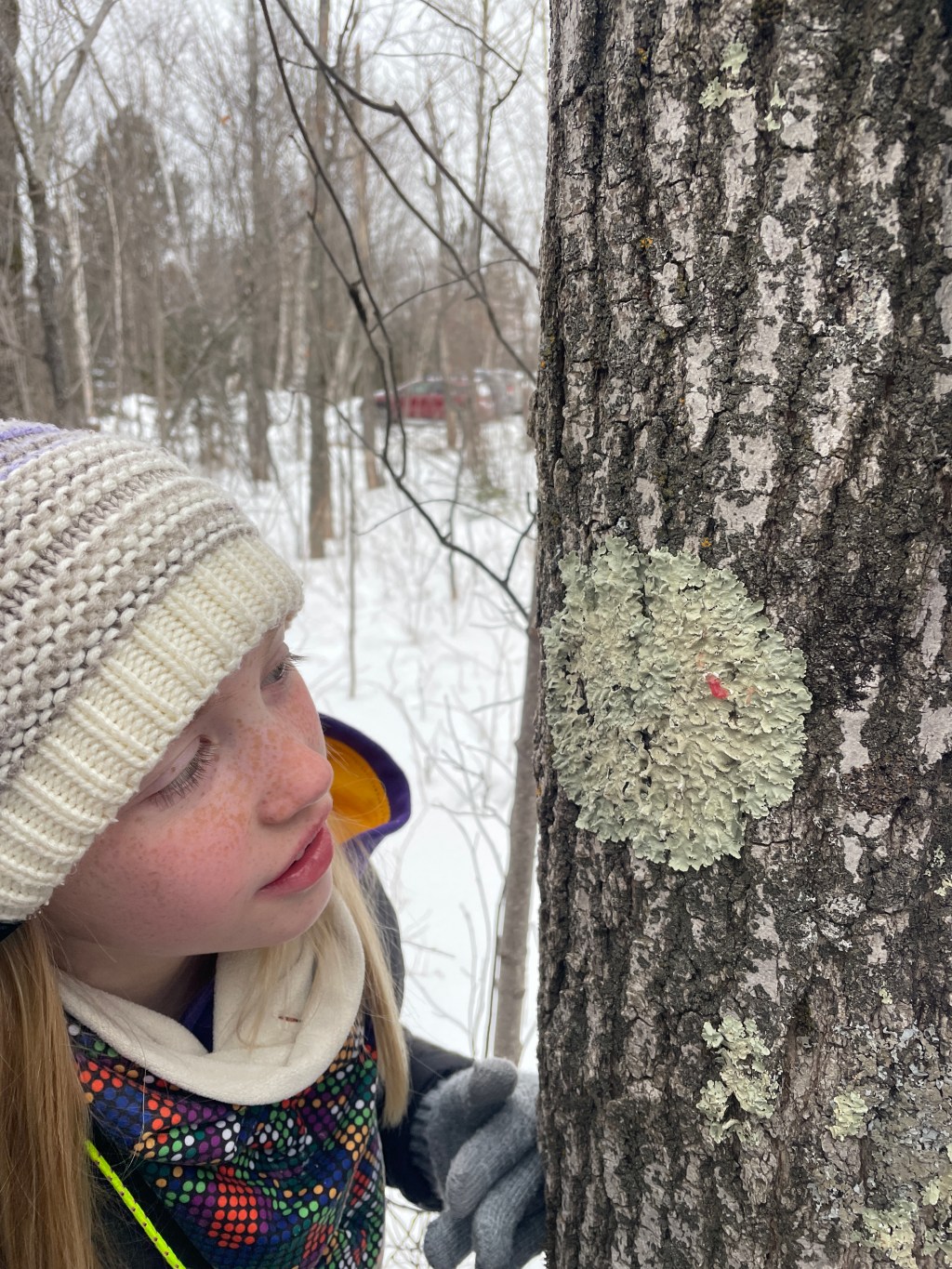
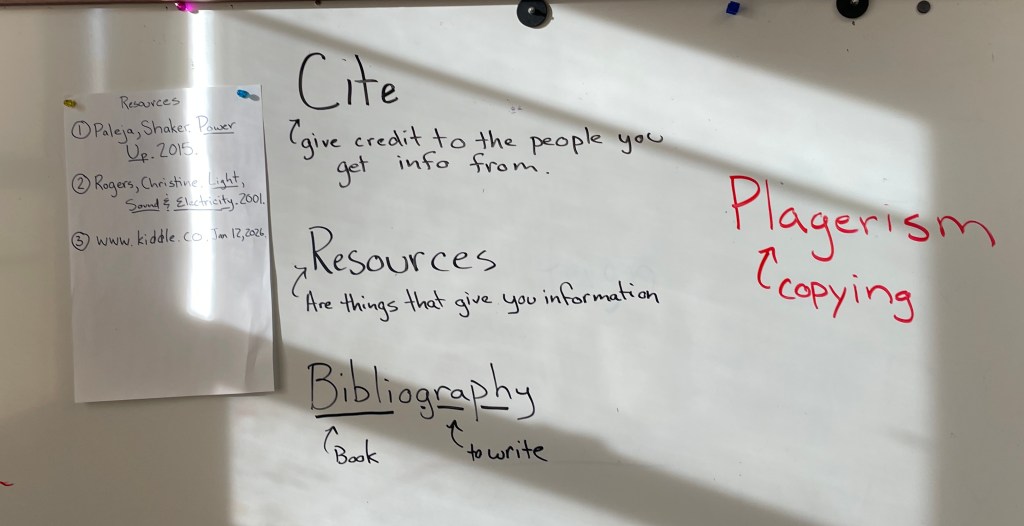
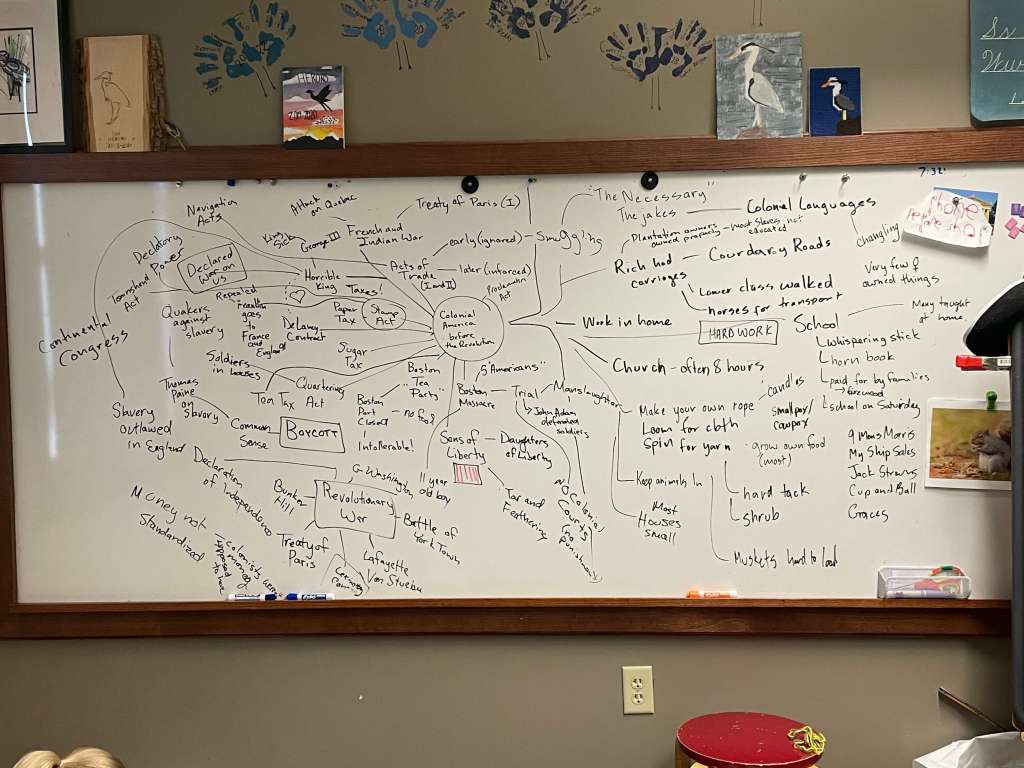
• In theme, students frame questions to extend and propel our learning. While I know the outline of what we will learn, the students provide the energy and the curiosity that define it. As the theme progresses, they take more and more ownership of their learning until I get to sit back and watch them teach you at our culminating event.
There are many more examples of ways our students learn to take responsibility for their learning. And, like moving those desks out of the rows…we hope it's learning they'll remember when they come back as a special person at their grandchildren's schools.

 The Rookery
Leave a comment