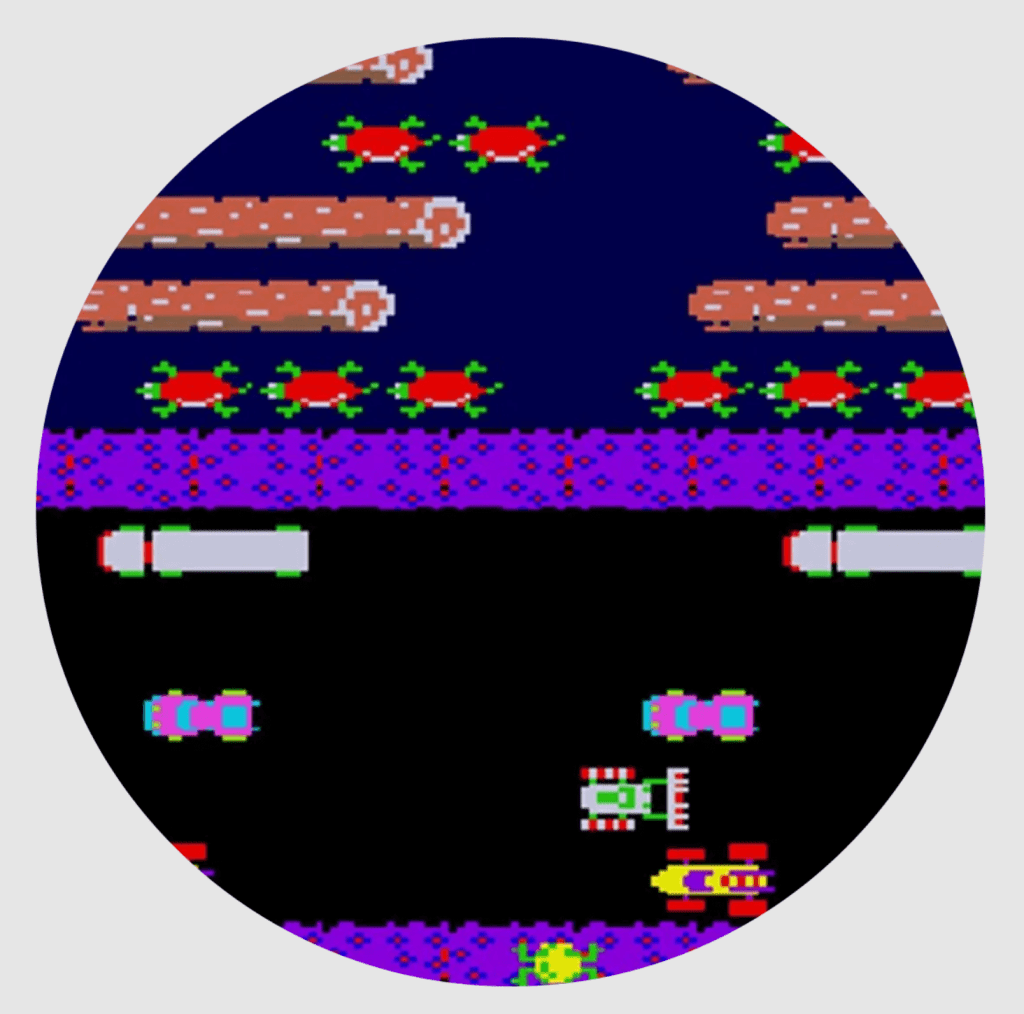
“4/5 Rules” When kids get into the upper grades at Prairie Creek, we play by different rules, literally. When we’re at recess, students understand that they follow the whole school rules — 10 feet from the creek, only going down the slide, one foot on the ground, no snowballs etc.
But when it’s just us…there are different rules. Yes, you can be on the outside of the Albero (the spinny thing). Yes, you can go up the slide. Yes, you can climb a tree (as long as I can spot you and you have 3 points of contact on the tree). Yes, you can throw a snow ball. Yes, you can even play frogger.
Did you play frogger at school? It was a favorite at my school — students would swing at a measured rate and we’d run through the swings, timing our run with their swings. It was a “just right” feeling of danger — nobody was swinging too fast and collisions were exceedingly rare. But you could collide and that was some of the fun. It’s also what made the game interesting. Our brains were hungry for that kind of risk assessment – it felt real and a little forbidden (but just a little, it mattered which teacher was on duty.)
As kids get older, their world gets bigger and risk taking begins to look different. Young kids aren’t able to understand the repercussions of stepping in front of a swing or sitting in a puddle and having to wear wet clothes the rest of the day. Older kids can start to weigh out the risk and the benefit. They need a lot of practice to get good at this. Just where should they put boundaries; just what is a responsible risk?
If we do all of this decision making for them, they don’t learn how to put boundaries up for themselves. That doesn’t mean that we hand ten year olds the keys to a car — but it means we look carefully at the places we’ve been making decisions and begin to let them make some of those.
Take snow ball fights. We allow them in 4th and 5th grade but we talk about them. Can you throw a snow ball – sure. What do you do if you start to get angry? What if you feel like kids are ganging up on you? Is it cool to throw an ice ball? What if someone isn’t playing and you throw a snow ball at them…how do they respond? Then we practice — and we problem solve. And, snow willing, we practice again.
Forest school affords many chances for kids to take more risks. I also let them choose their seats and often how they structure their work time. Their personal projects give them more freedom. And, of course, Village provides even more opportunities to try things out.
Many fourth and fifth graders pack their own lunch, do laundry, set a weekend bedtime. I know that it’s an okay risk if I’m okay with whatever outcome happens – if they make a decision I wouldn’t, I have to be okay with that. For example, I might not let a child watch a scary movie because I know they might get lasting nightmares…but they don’t have the ability to see that yet. They can’t undo the choice once it’s made. They pack a lunch without protein? Okay…how do you feel in the afternoon? Were you more tired than usual? Grumpy? That might be why…let’s come up with a list of yummy items that might sustain you more then go to the store and get them.
Which brings me back to Frogger. When we play, I’m always near by, often offering color commentary. I remind kids that if it’s not their cup of tea, there are lots of other things to do outside. But for the kids who want to push the edge a little…they’re ready to take this step…literally.

 The Rookery
Leave a comment