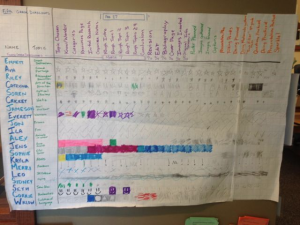
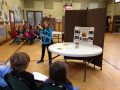
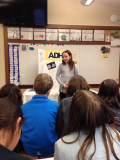
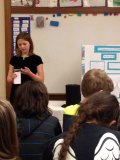
Today was our first day of presentations and the sigh of relief was almost audible. It was so exciting to see the long months of project time come to fruition. The Herons (and all of the 4/5s) have been working so hard to wrap everything up. On the wall of our meeting area, we have a giant check list. Looking at it helps me reflect just how much independent work the students have done. Managing one's time and breaking down a huge task into smaller pieces is key learning in fourth and fifth grade. Very few students can do it completely independently at first but, as we begin to get closer to our final deadline, their growth is obvious.
Last week I was only a helper – requested by this student or that to do specific tasks. I didn't have to nag anyone or remind them to "choose a good place to sit." They knew that every moment was precious. There was a sense of urgency in the room. A few of the fifth graders were finished with everything and volunteered to be super-mentors. They helped many of the fourth grade Herons through the difficult step of transforming a written paper into an oral presentation. Some cut picture after picture and helped posters come to life. Many offered expert advice on good "doing" activities. It seemed that every time I went to check on a student I'd been concerned about, a fifth grader was there already supporting him or her.
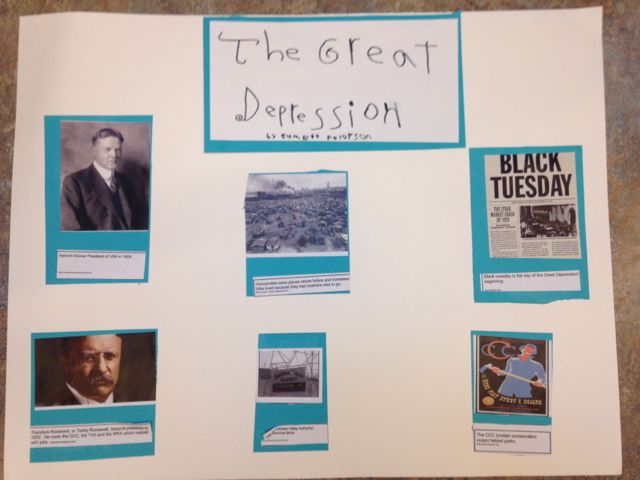
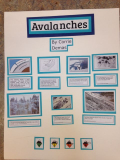
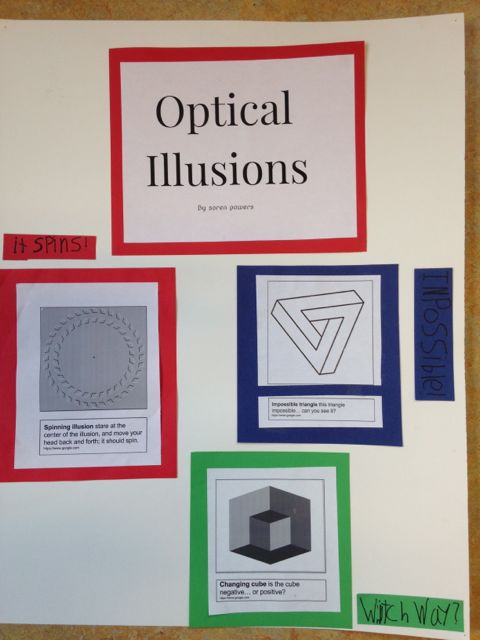
As the projects came into focus, I was amazed by their diversity and their creativity. If you went to each of them, you'd learn so
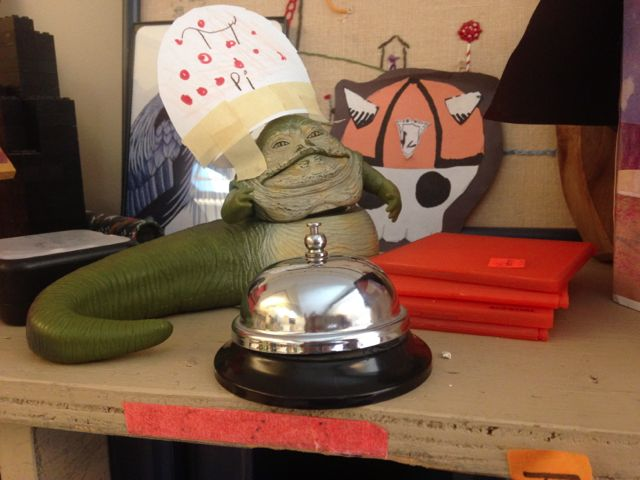
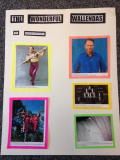
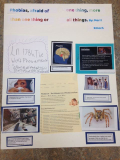
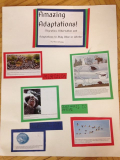
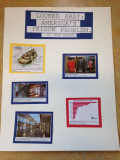
much. Indeed, the rest of the school uses our project presentations as an opportunity to seed their classes with ideas for their personal projects. It's not always easy – there are days when I'm trying to track down a book on the Flying Walendas or attempting to explain mandatory minimum sentencing to a ten year old that I think, "Maybe we should just do reports on the fifty states." But that feeling never lasts long – it's too much learning the unexpected.
And the questions the students ask! We sometimes marvel at how the length of an honors presentation can almost double as students ask question after question; often questions that I can't answer. But even though I can't answer them, the presenter often can. I can't tell you how exciting it is to see students exceed my knowledge in their area of expertise. The honors project is further evidence that these students are ready to conquer new worlds – as bitter sweet as that is.
We invest a lot of time in projects — but that's because we can teach so much through them. Learning how to formulate questions, discover answers and then teach others what you've learned is vital in today's world. They learn how to follow through on a large project and sustain momentum even when things are challenging. Students learn to seek out mentors and support when they are doing something new. Finally, they discover that they have the power to learn what's important to them – the central crux of progressive education.



 The Rookery
Leave a reply to Sandy Turbes Cancel reply