Night Moves
We began a new "Night" theme before break. I read excerpts from The Complete Book of the Night and we brainstormed topics it would be cool to know more about. (A side note – sometimes a traditional "know and wonder" chart in which we formulate questions about a topic can be too limiting. Identifying areas we are curious about (or bundling questions under "umbrellas" can be helpful to open up the exploration.) Our list was very long: constellations, the solstice, night celebrations, nocturnal animals (and plants), sleep, dreams, space, northern lights, lightning bugs, phosphorescence and bioluminescence, night vision, myths and legends of the night, circadian rhythms, the moon and more.
The Herons were captivated by a Blue Planet segment on the deep sea and bio-luminescence. I demonstrated how to take notes on a video while we watched and students enjoyed trying their hands at visual/cartoon note taking. It is really an amazing segment and we stopped often to gawk and be amazed together. I modeled how to work with numbers in non-fiction. We stopped whenever a number was mentioned to put it in context – "a 40 meter jelly fish tentacle, why that would stretch down to the gym!" This was good practice for our upcoming personal project research.
We also learned about the Winter Solstice – a fitting topic for the last week before break. After we learned the science, the students worked in pairs to learn about the ways different cultures celebrate light in the darkest month of the year. Each pair took notes and then taught the rest of the class about "their" celebration. We learned about Dawali,Hanukkah, Christmas (specifically, the tradition of Christmas lights), Guy Fawkes Day, Hogmanay, Kwanzaa, Bala Chaturdashi, and Laternelaufen.
After break, we'll continue our exploration by learning about Circadian rhythms, adaptations of nocturnal animals and the constellations. If you have an idea for our theme or some expertise to share, please contact me! (We'd be really into night vision goggles if anyone has those!)
Poetry Preview 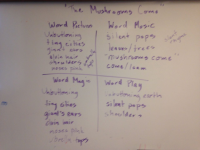
We got a sneak preview of January's arts residency by reading some marvelous poems from Dark Emperor. The book is a collection of poems about nocturnal animals and each is accompanied by a few paragraphs of informational text. Rachel Moritz, our poet in residence, suggested using four categories to "analyze" poems with students "Word Music" (rhymes, assonance, alliteration), "Word Magic" (figurative language such as metaphor and personification), "Word Play" (unusual word use), "Word Pictures" (descriptive, evocative language). This simple quadrant yielded some lovely observations about the poetry we were reading and was very accessible to the students. It will also give us a nice framework for revising our own poetry in the month ahead.

Minks and Mapping
Since the snow has fallen, we've found mink tracks running up and down the creek bed. Each time we've been out the Herons have noticed new things. We now think that there might be two different minks (or two different groups of minks) in different parts of the creek. The tracks are to the west of the school grounds – where the water is deeper and there are open spaces of running water. We're wondering what the mink might do if the water freezes over completely. If anyone has a trail cam we could set up, we'd love to borrow it!
We mapped the ice coverage on the creek this past week, too. Much of the creek ice was thick enough for us to walk on (it also gave us a chance to talk about ice safety!) Students created their own key to designate the different kinds of ice they were finding – slushy, clear, solid all the way to the creek bed, able to be broken by a thrown rock etc.
We'll take another look at the ice in the weeks ahead. We might also map animal signs and tracks. The cold weather makes parts of Forest School more challenging, to be sure, but it also opens up some exciting new possibilities.
Topic Sentences and Paragraphing
We've had several lessons in the past week reading short non-fiction passages. We've focussed on finding the topic sentence of paragraphs and using it to help us predict the content of the paragraph. As we get ready to research and write non-fiction, taking a close look at its structure can be very helpful to students.
This is a great time to get some magazines out of the library – they have a great selection of back issues. Read them with your Heron and talk about the decisions the author made. How did they organize the information – chronologically? by topic? question and answer? Can you use topic sentences or sub-headings to focus your reading or find information quickly? The more experience kids have with short format non-fiction, the better able they are to hear that writing voice in their heads as they put pen to paper.
Measurement
Our latest math work focused on measurement. We learned about linear, surface and volume measurement — both in standard (inches etc.) and metric. We also worked with time. Some of our work focused on converting from unit to unit. Students had to provide an answer in feet, feet and inches and then in all inches for example. It was challenging (especially if students used a calculator and got an initial answer in decimals…hmmm, .5 feet is not 5 inches!).
We'll be moving on to working more with decimals in January but it will be important to keep working with measurement. It's an ideal area of math to play with at home. How many inches tall are you? How many feet (and fractions of feet) is that? What's the volume of the inside of your car? Your cat? If you get in the habit of posing these kinds of questions, your child will start to see the math in the world around them. The more they see, the more they'll play and understand. It's one of the most powerful ways you can support your child's numeracy development. To read more about finding math in the world around you, check out this blog from last year.

 Goodbye Remy!
We bid a sad goodbye to Remy on the Friday before break. He's become a Heron, to be sure, and we will miss him very much. Being a student teacher is very challenging – you have to be thinking of so much – the content, the delivery, the management, the handouts, the voice modulation, the anticipatory set, the formative assessment, the meaningfully raised eye brow. With a few years under one's belt, certain parts of teaching become like breathing. They happen without you thinking about them. But a student teacher is thinking about everything all of the time. It's exhausting but, hopefully, rewarding work. It was such a joy to watch Remy grow as a teacher these past months. He's really come into his own while working with the Herons. His parting gift to them was the game "Mastermind" — it's become the hands-down favorite of after lunch amusements.
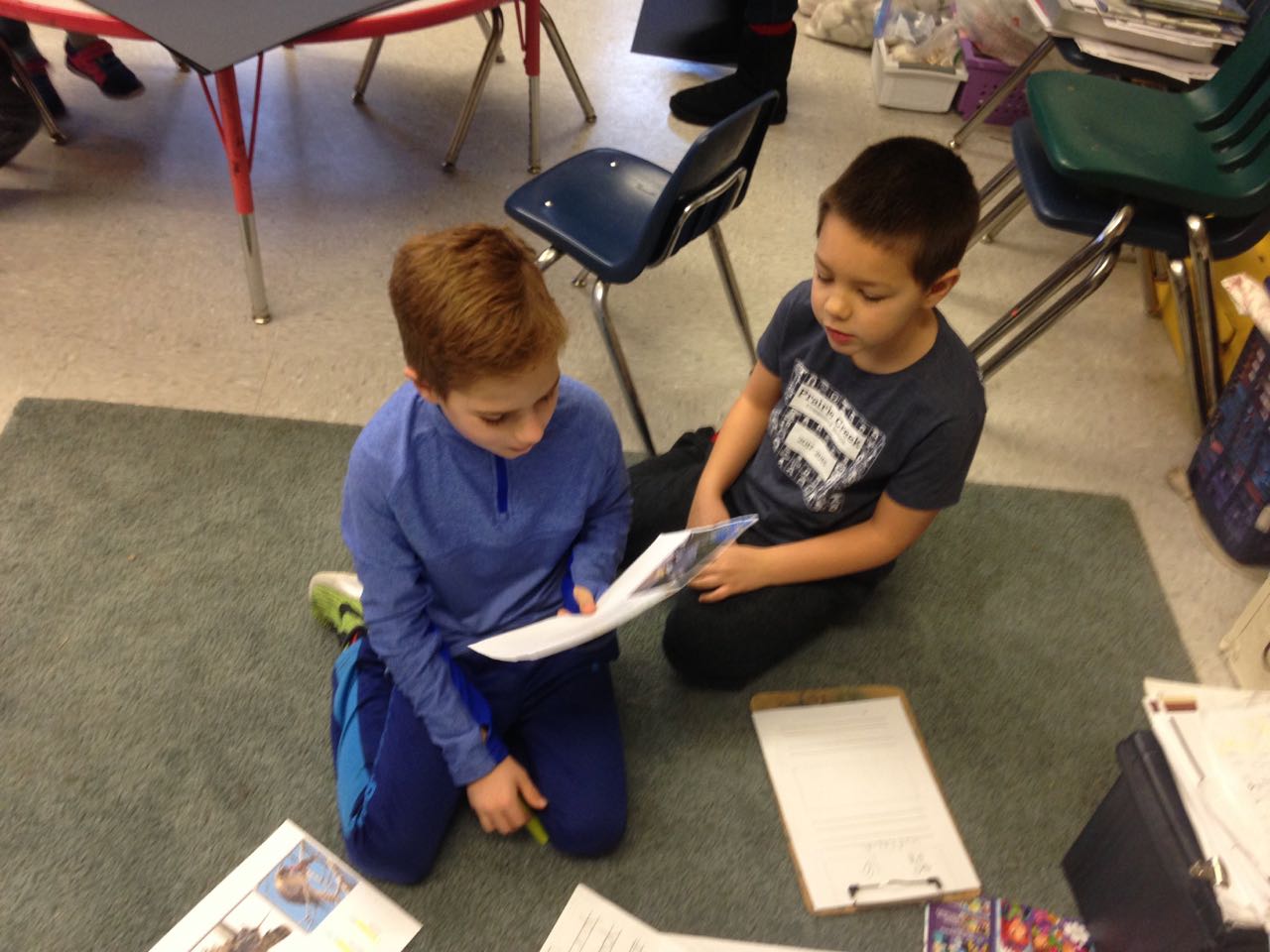
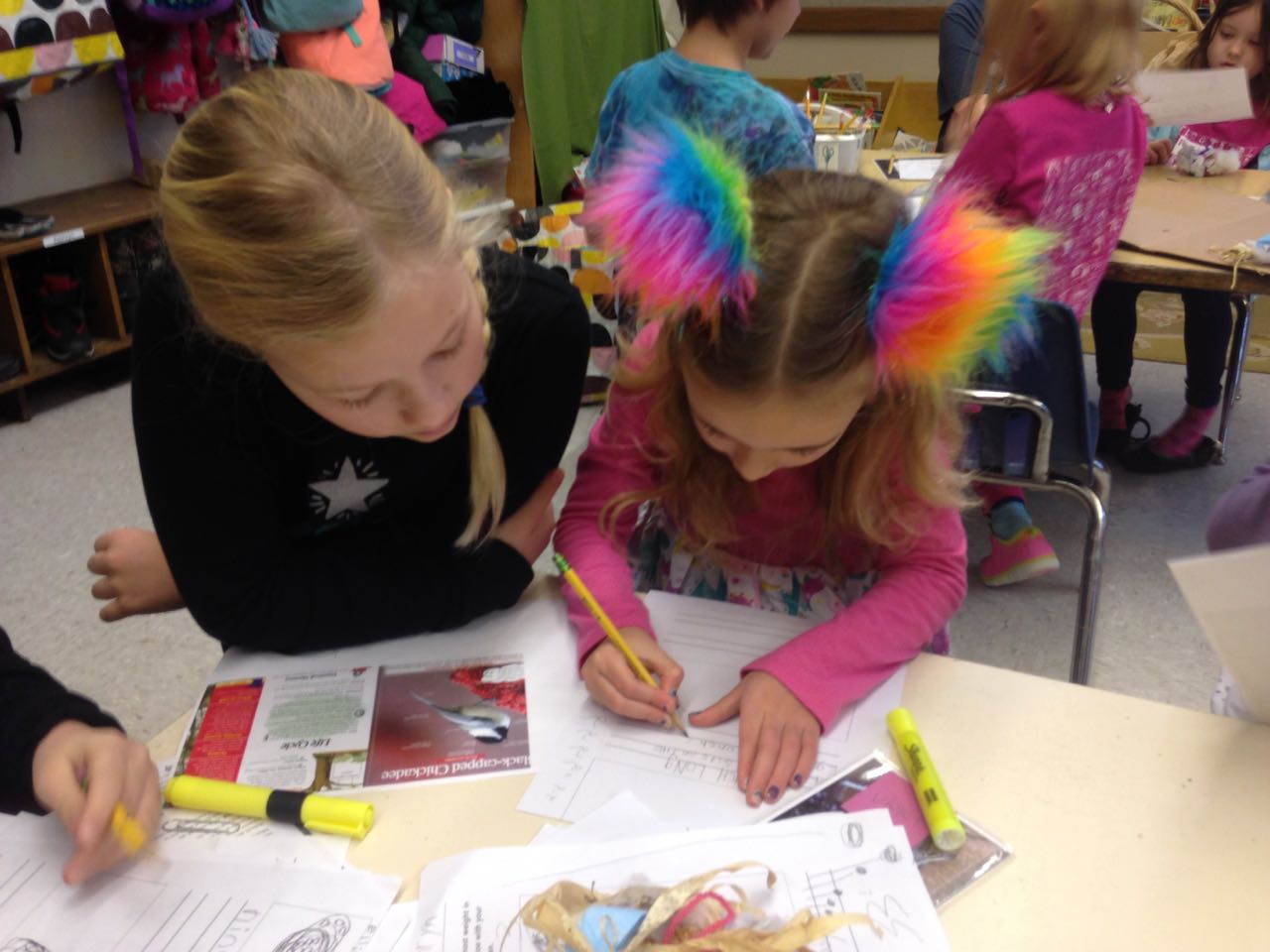
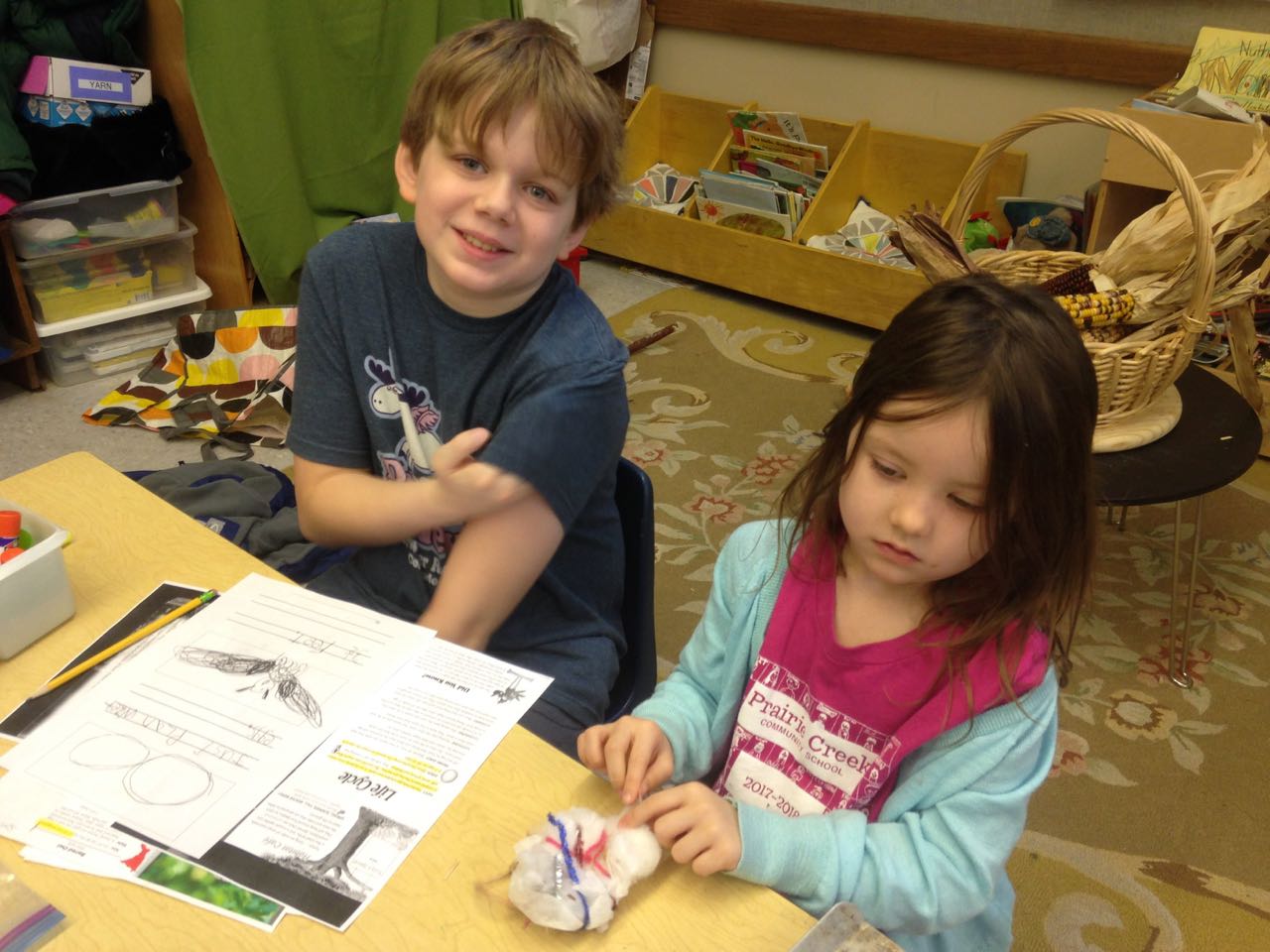
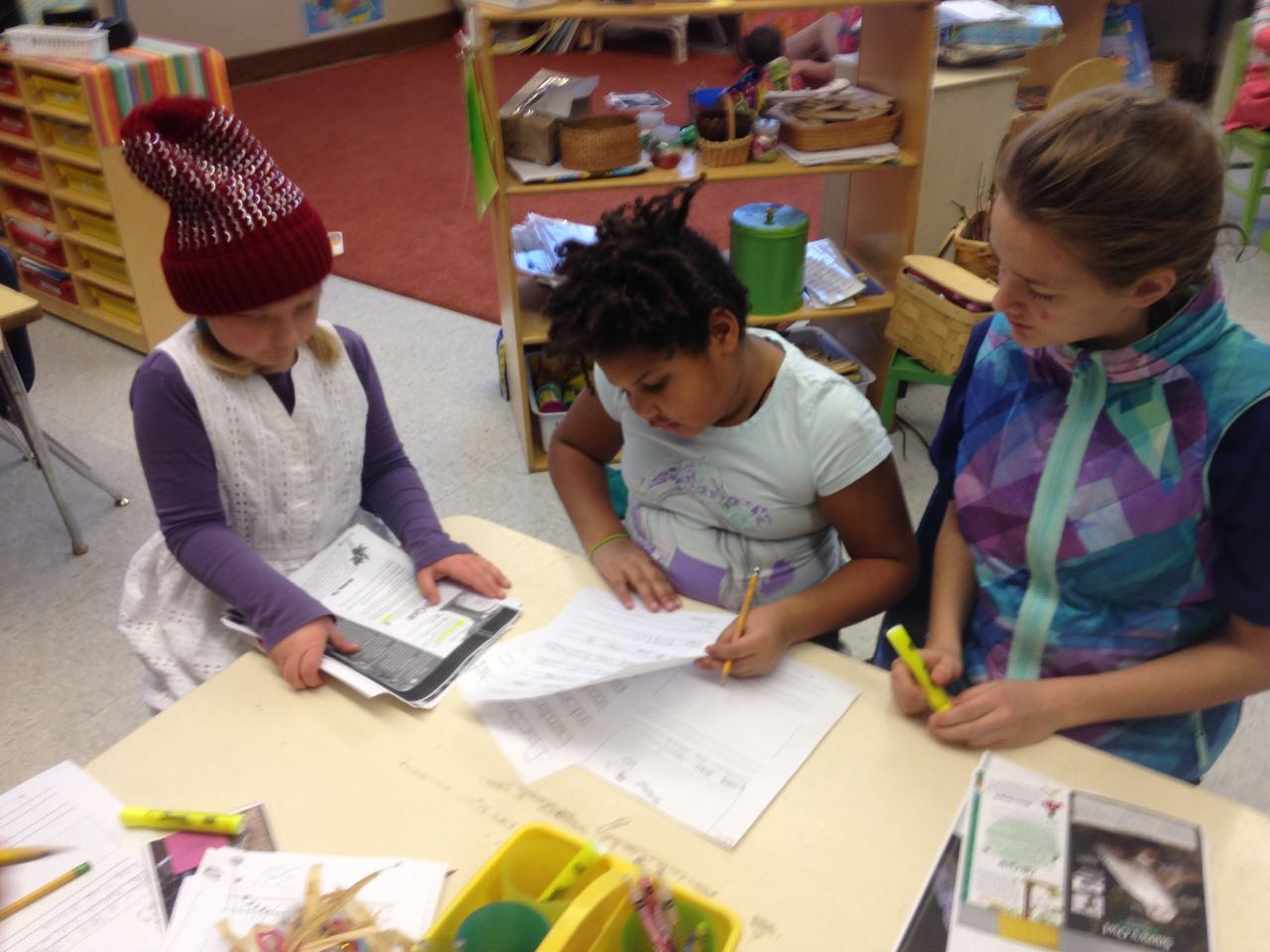
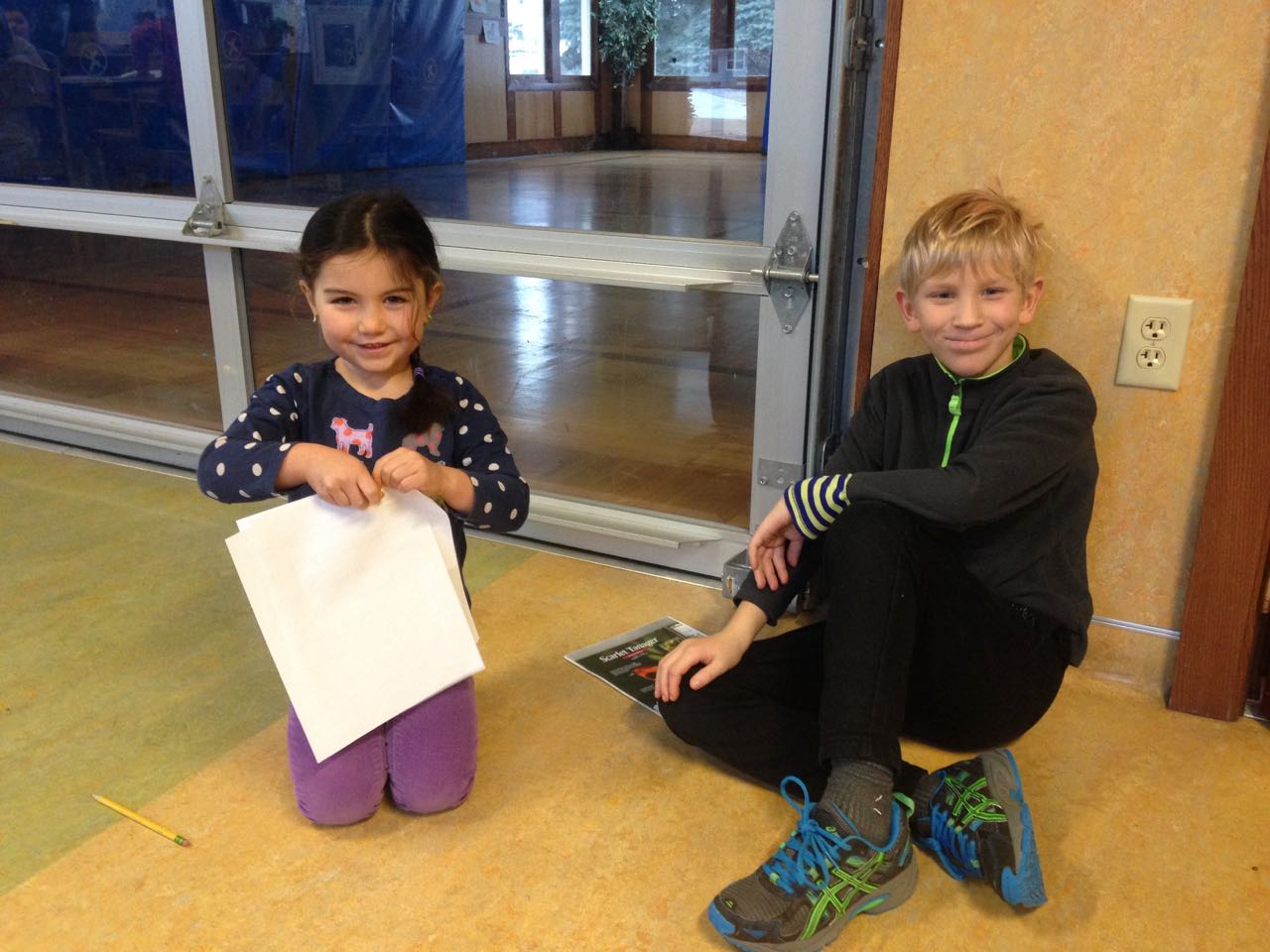
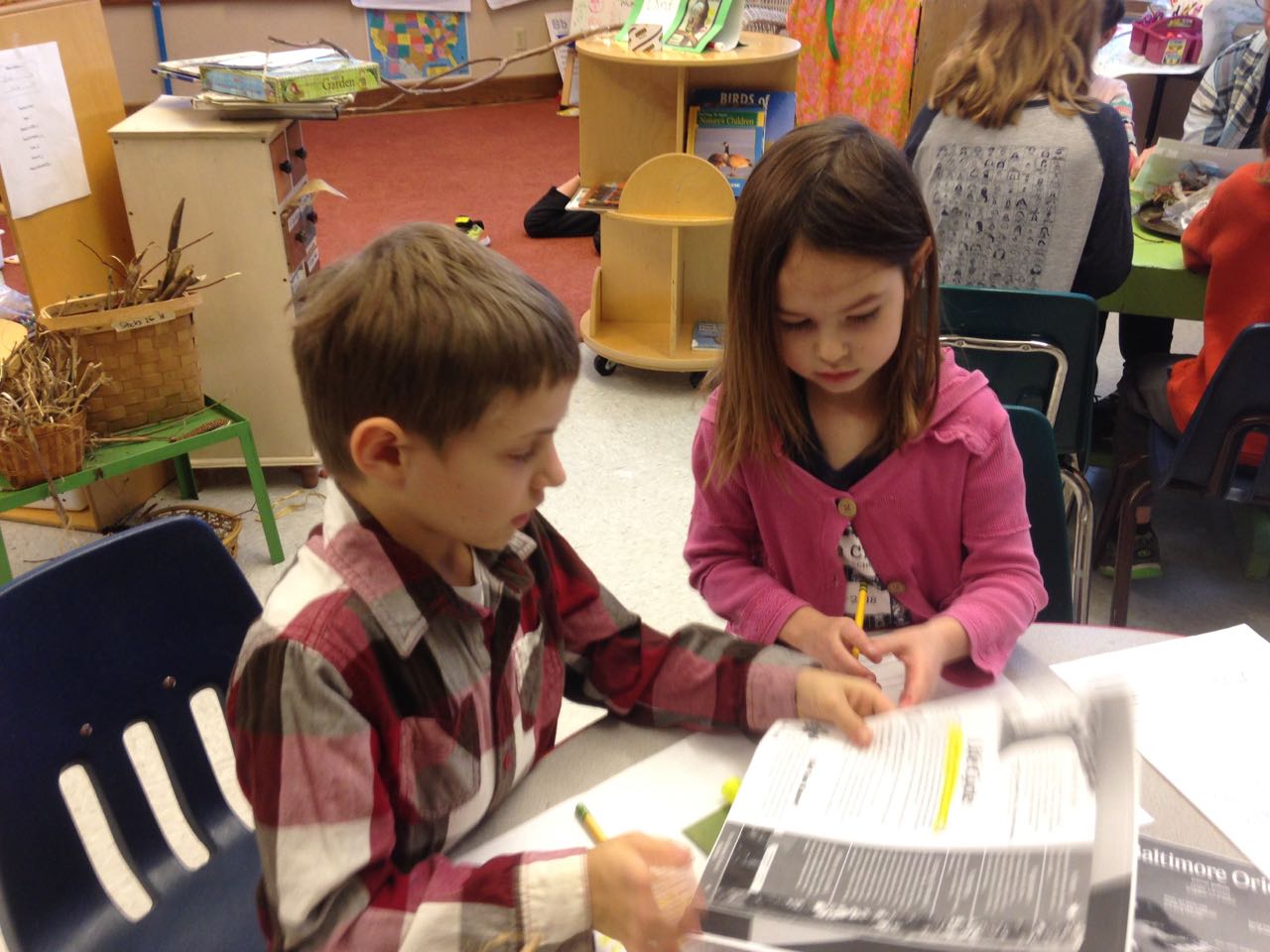
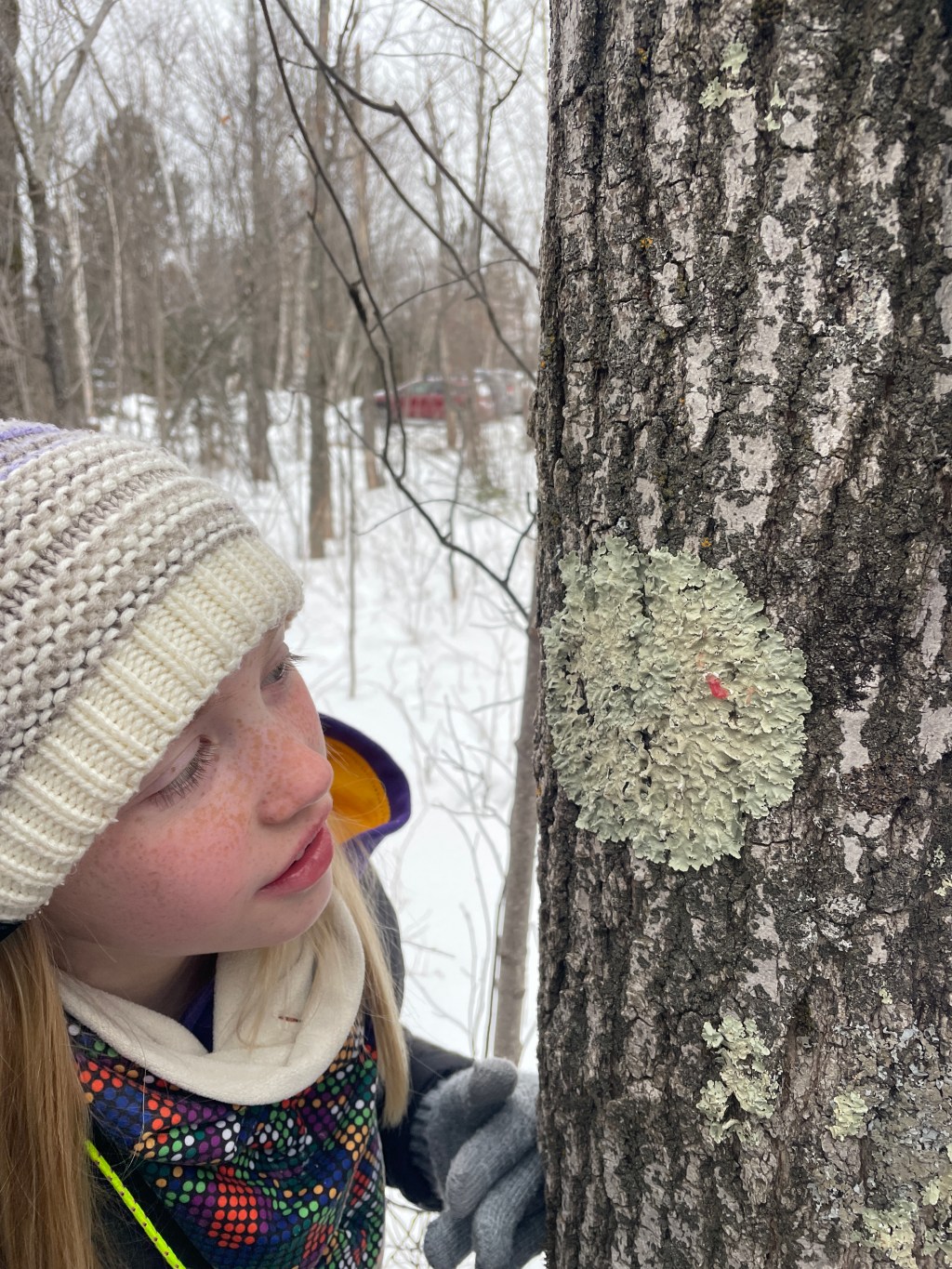
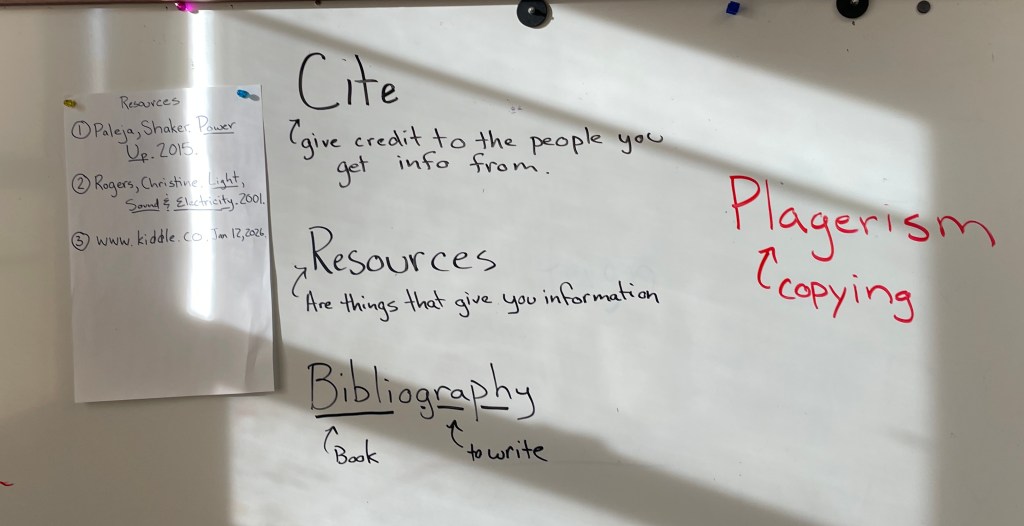
Some pictures from our work with the Nuthatches helping them find information for their bird theme:




 The Rookery
Leave a reply to Tricia Cancel reply