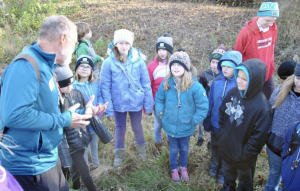
In the fall of 2016, the Herons started sharing their nature observations on KAXE radio. That summer, I had gone to a workshop hosted by John Latimer, the KAXE phenologist. When I walked through the door, I had no idea what phenology was — I just knew that a friend from Wolf Ridge recommended it and it was a great excuse to spend some time up north. We spent the day exploring the woods and learning how to script and record a phenology podcast. (I also learned that phenology is the study of seasonal change in which one records the date of important "phenophases" or changes in plants and animals.)
John and the other educators shared their phenology notebooks full of observations of specific events over the years: first ice on a lake, first snow, the last vulture, peak color, the chickadee's "fee-bee" call were all things to watch for. We listened to previous reports and I began to get a feel for what information would be useful. I was, I admit, a bit skeptical. As an adult I could recognize these things and find them interesting but would my students?
I need not have worried. In our very first report, the students reported 19 species, noted a nature mystery they were trying to solve (dead mice on successive days) and commented upon the bird behavior they saw in our woods. Over the years, we've evolved our style a bit. We have a signature greeting and sign off. We often have two reporters sharing information and interacting with each other. But the student interest has remained a constant.
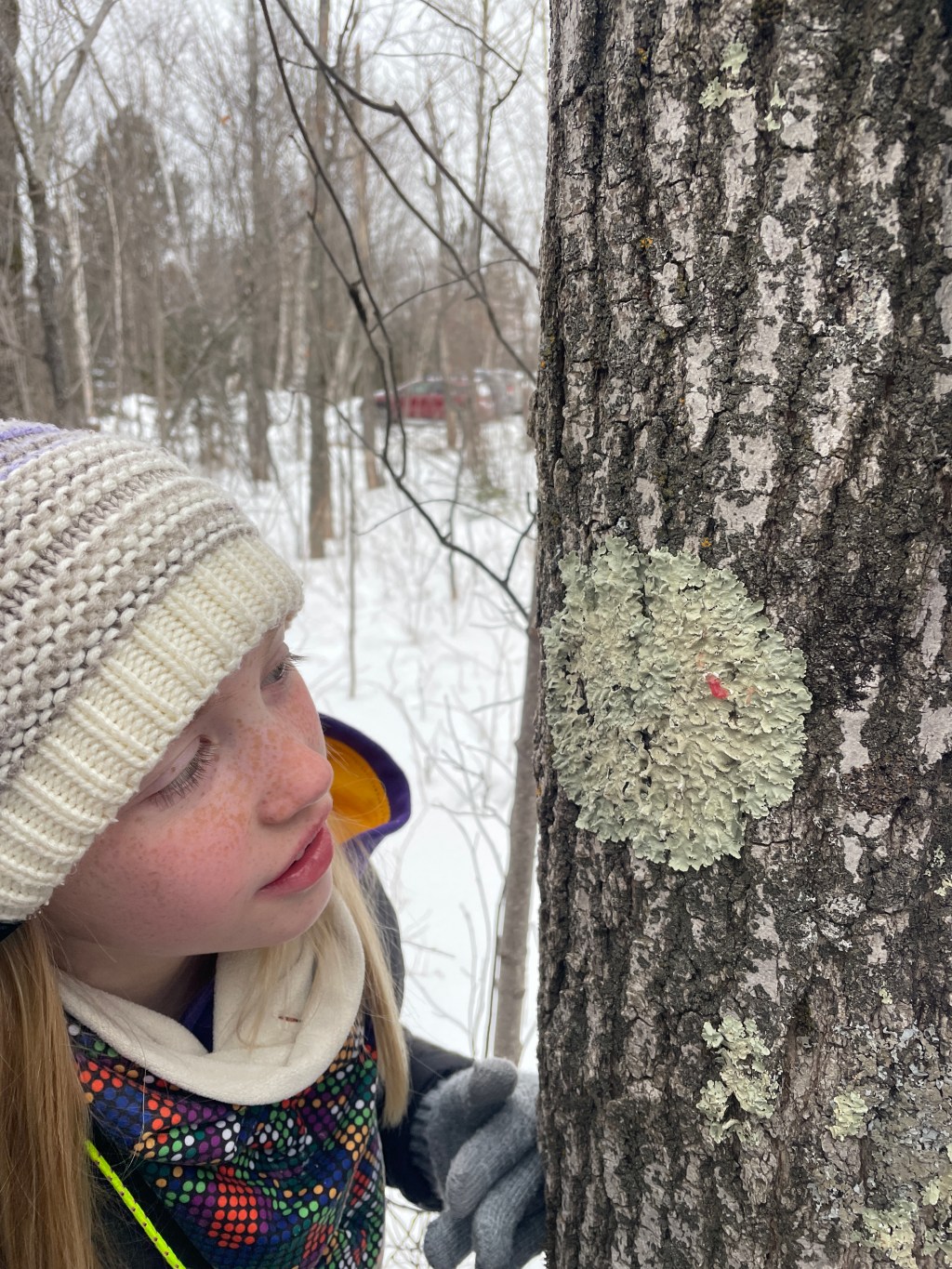
I think the students are drawn to phenology for the same reason I was – I started to see nature differently. The season changes became an accumulation of familiar events, events I was watching for and noticing. John had been a mailman when he first began his work in phenology. His rural route took him the same way every day and he began to notice the things he saw along his way. The Herons, similarly, watch certain trees for their first bud break. They know the hawks that nest in our woods and watch for their return.
Last week, I asked the Herons about their phenology work and what they had learned from it. They each wrote a statement on an index card and we took phrases from the cards to create a poem together. This is what they wrote (apologies for the formatting…html doesn't do very well with line breaks):
For John
I never noticed how
fawns jump,
fox kits play,
a bald eagle perches,
peak color hits,
a murmuration of birds
covers the sky in a
flapping of wings.
I am mesmerized,
excited to watch.
Sometimes the littlest things
are best.
Noticing the clouds,
the wildflower in my backyard,
the changing leaves,
the hidden mushroom,
the birds singing their usual song.
My backyard holds generations.
All the little things gather into
one big thing:
a season.
When I was small, I didn’t notice.
Now I ask questions.
I pay attention.
I look
delicately.
I welcome the spring’s first heron.
I say goodbye to the fall’s last dragonfly.
I have a whole new way
to see the world.
This next week marks John's 40th year sharing phenology observations with the world and encouraging us all to do the same. The students wrote the poem to celebrate his accomplishment. I hope, maybe, you'll notice a little more along your daily route, too, and think of John when you do.



Leave a Reply