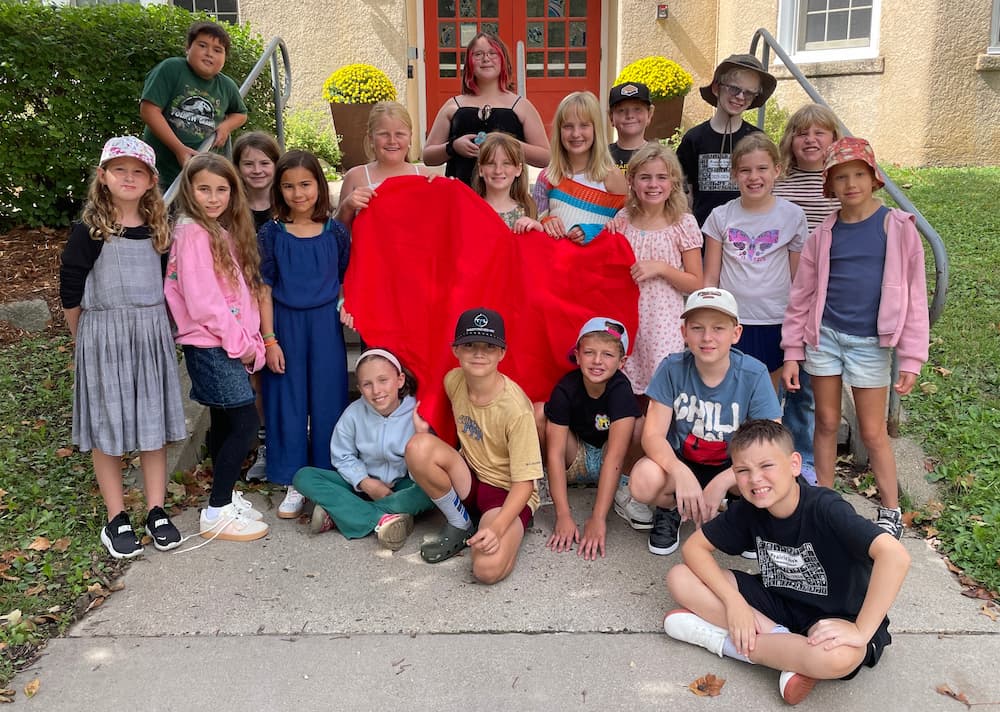
Last night I returned to an article about teaching that was written 50 years ago and that I reread every few years. Its author, Eleanor Duckworth, worked with Jean Piaget who created a framework for child development that is at the heart of progressive education.
Duckworth asserts that intellectual development is dependent on creating spaces where children can make discoveries about their world. She calls these discoveries “wonderful ideas” and she stresses that these ideas need not be actually new to the world but that a child should, as much as possible, feel that they have uncovered something that is new to them. She states:
The wonderful ideas that I refer to need not necessarily look wonderful to the outside world. I see no difference in kind between wonderful ideas that many other people have already had, and wonderful ideas that nobody has yet happened upon. That is, the nature of creative intellectual acts remains the same, whether it is an infant who for the first time makes the connection between seeing things and reaching for them, or Kevin [an child whom she interviewed] who had the idea of putting straws in order of their length, or a musician who invents a harmonic sequence, or an astronomer who develops a new theory of the creation of the universe. In each case, new connections are being made among things already mastered. The more we help children to have their wonderful ideas and to feel good about themselves for having them, the more likely it is that they will some day happen upon wonderful ideas that no one else has happened upon before. (Duckworth 1972)
So how do we “help children to have their wonderful ideas?” Duckworth asserts that students do not need to be confident that their ideas are correct. Instead, they just need to feel confident that their ideas are interesting and worth having. This is counter to how adults often are trained. Too often, we resist sharing an idea unless we are assured that we are right. Our own learning is stymied by our fear of being wrong.
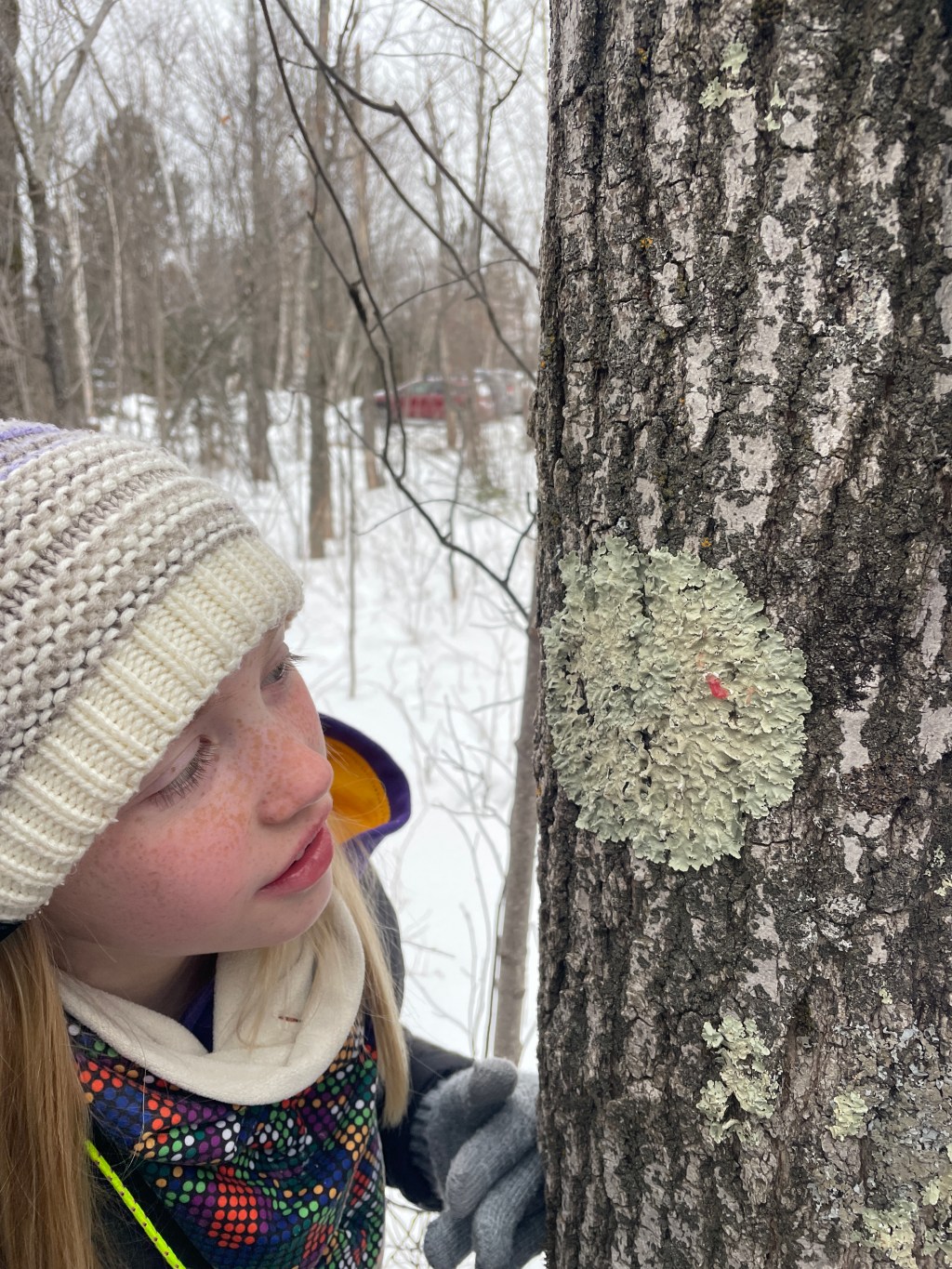
As a teacher, I work to create situations where children are observing and making hypotheses about what they see. They are making possible connections. They are having wonders. These are the “wonderful ideas.” They provide the catalyst for the class to continue to observe, confirm or counter the initial idea. If I have created the right environment, a child whose initial idea doesn’t end up being “true” is so excited by the process of figuring things out that they now have five more ideas and wonders.
Promoting wonderful ideas happens all day in our classroom. In our literacy block students might have thoughts about a character’s motivation or the possible connections among new vocabulary words. In math, they may discover the relationship between division and fractions. In theme, they are considering new viewpoints and figuring out how their world works.
At home, encourage your child to find wonder in things. Be amazed by their ideas (even if they aren’t new to the world.) And, if you can, model having ideas of your own. These shouldn’t be statements of absolute truth but wonders and observations you have. What made tonight’s sunset purple? Why do there seem to be more yellow jackets this time of year? Why does adding two odd numbers always give you an even number? You might know the answer, you might not — but wondering aloud shows your child that grown ups have wonderful ideas, too.
“Wonderful” can be synonymous with “great” but it also means “full of wonder.” When I’ve been successful in our classroom, I’ve created a space in which wonder is the capitol. Being interested and curious is the norm. It’s how we are.
I am so excited to see where our wonderful ideas lead us this year.
Duckworth, E. (1972). The having of wonderful ideas. Harvard Educational Review, 42(2), 217–231. Read the full article here.
Other quotes from the article:
Certainly the material world is too diverse and too complex for a child to become familiar with all of it in the course of an elementary school career. The best one can do is to make such knowledge, such familiarity, seem interesting and accessible to the child. That is, one can familiarize children with a few phenomena in such a way as to catch their interest, to let them raise and answer their own questions, to let them realize that their ideas are significant-so that they have the interest, the ability, and the self confidence to go on by themselves.
I believe that, by opening up to children the many fascinating aspects of the ordinary world and by enabling them to feel that their ideas are worthwhile having and following through, their tendency to have wonderful ideas can be affected in significant ways.
Knowing enough about things is one prerequisite for wonderful ideas.


 The Rookery
Leave a comment